

Life moves fast. Most of us wake up already thinking about the long list of things we need to do that day—work responsibilities, family duties, errands, and the endless small tasks that fill our time. In the middle of all that, thinking about the environment or sustainable living often feels like one more complicated responsibility we don’t have time for. Many people believe living sustainably requires a complete lifestyle overhaul, expensive eco-products, or perfect zero-waste habits. Real talk, that belief stops many beginners from even trying. But here’s the deal: sustainable living doesn’t need to be complicated, expensive, or overwhelming. It can actually start with very small, simple adjustments that fit naturally into your daily routine. Instead of aiming for perfection, the goal is to become a little more mindful about everyday choices. When small eco-friendly habits become part of daily life, they slowly build a lifestyle that benefits both you and the planet. That’s exactly where Eco-friendly lifestyle hacks come in. These are practical, beginner-friendly habits that help reduce waste, conserve energy, and encourage smarter consumption without forcing you to dramatically change how you live. Think of them as small tweaks to your normal routine—simple ideas that make sustainability easier rather than harder. The best part is that these habits not only help the environment, but they can also save money, reduce clutter, and create a calmer, more intentional lifestyle. In this guide, we’ll walk through realistic ways beginners can start building eco-friendly habits step by step. No complicated systems, no pressure to be perfect, and definitely no unrealistic expectations—just practical ideas that make sense in real life.
Understanding What an Eco-Friendly Lifestyle Really Means
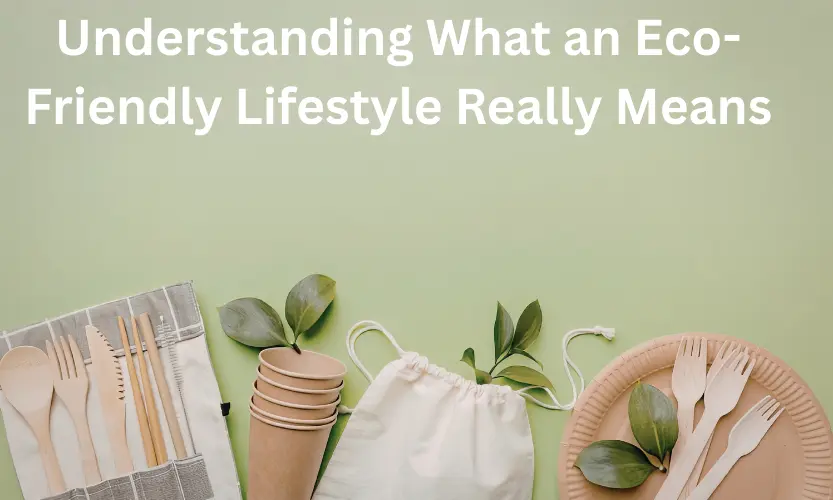
Many people imagine an eco-friendly lifestyle as something extreme or difficult to maintain. They picture people living completely waste-free, growing all their own food, or avoiding every modern convenience. While those choices can be admirable, they are not necessary for someone who simply wants to live more responsibly. An eco-friendly lifestyle really means making everyday decisions that reduce harm to the environment while supporting long-term sustainability. It’s about being mindful of how our habits affect natural resources, energy use, and waste production. Every product we use and every choice we make has some level of environmental impact, whether it’s the energy used to produce a product, the materials used in packaging, or the waste created after the item is discarded. Living sustainably simply means trying to reduce that impact whenever possible. The key idea is awareness rather than perfection. Once you begin noticing how your daily habits affect the environment, it becomes easier to make small adjustments that lead to meaningful change. Over time, those adjustments naturally shape a lifestyle that is more balanced, thoughtful, and environmentally responsible.
Why Small Sustainable Habits Create Big Impact
One of the biggest misconceptions about environmental action is the idea that individual efforts don’t matter. Many people assume that environmental change must come only from governments or corporations. While large-scale policies are important, everyday habits still play a powerful role in shaping environmental outcomes. Consider how many small actions happen every day around the world. Millions of people buy groceries, drink bottled water, use electricity, cook meals, and dispose of waste. When those daily choices are repeated by billions of people, their combined environmental impact becomes enormous. Even small improvements in those habits can reduce waste and conserve resources on a large scale. When individuals adopt sustainable habits, they also influence the behavior of others. Friends, family members, and coworkers often notice lifestyle choices and become curious about them. Over time, simple habits spread naturally through communities. Sustainable living works best when it grows gradually and organically through everyday actions rather than drastic changes.
Creating an Eco-Friendly Mindset Before Changing Habits

Before focusing on specific habits, it helps to shift the way we think about consumption and daily routines. Many modern lifestyles revolve around convenience, speed, and constant consumption. Products are designed to be used quickly and replaced often, which creates large amounts of waste. Building an eco-friendly mindset means slowing down that cycle and becoming more intentional about what we use and why we use it. Instead of automatically buying something new, we begin asking simple questions. Do I truly need this item right now? Is there something I already own that could serve the same purpose? Can this item be reused or repaired instead of replaced? These small questions encourage more thoughtful decisions and reduce unnecessary consumption. Over time, this mindset naturally leads to a lifestyle where sustainability feels normal rather than restrictive.
Simple Daily Habits That Reduce Waste
One of the easiest ways to start living sustainably is by reducing waste in everyday routines. Waste reduction does not require complicated systems or major investments. Often it simply involves paying attention to items that are frequently used and replaced. Disposable products are one of the biggest contributors to household waste. Items like plastic bags, paper towels, bottled drinks, and single-use packaging accumulate quickly over time. Replacing some of these disposable items with reusable alternatives can dramatically reduce waste. Carrying reusable shopping bags, using a refillable water bottle, storing food in durable containers, and choosing reusable cleaning cloths are all simple examples of waste-reducing habits. These changes may feel small at first, but when practiced consistently they prevent large amounts of waste from entering landfills and oceans.
Making Your Kitchen More Sustainable
The kitchen is one of the most active areas of any home, which means it also has one of the largest environmental footprints. Food preparation, storage, packaging, and waste all contribute to environmental impact. Fortunately, the kitchen also offers many opportunities for simple sustainability improvements. One of the most effective changes is reducing food waste. Many households throw away food that spoils before it is used, which wastes both money and resources. Planning meals in advance helps ensure that ingredients are used efficiently. Organizing the refrigerator so that older items are visible and used first can also reduce unnecessary waste. Cooking at home more frequently can also reduce environmental impact. Takeout meals often come with disposable containers, plastic utensils, and excessive packaging. Preparing meals at home not only reduces packaging waste but also allows better control over ingredients and portion sizes. Over time, these habits contribute to both environmental sustainability and healthier eating.
Reducing Energy Use at Home
Energy consumption is another major factor in environmental sustainability. Homes use energy for lighting, heating, cooling, appliances, and electronics. While some energy use is unavoidable, many small adjustments can significantly reduce consumption. Turning off lights when leaving a room, unplugging unused electronics, and using natural daylight whenever possible are simple but effective habits. Appliances such as washing machines and dishwashers can be run only when full to maximize efficiency. Energy-efficient lighting and appliances can also reduce electricity consumption over time. These improvements not only benefit the environment but also help reduce household utility costs. Many people discover that sustainable habits naturally lead to financial savings as well.
Shopping More Mindfully
Modern consumer culture encourages frequent purchasing and rapid product replacement. Advertising constantly promotes new items, trends, and upgrades, creating the impression that we always need something new. However, one of the most effective eco-friendly habits is simply buying less and choosing products more carefully. Mindful shopping involves considering the lifespan, quality, and environmental impact of the products we buy. Durable items that last longer often reduce waste because they do not need to be replaced frequently. Second-hand shopping is another powerful sustainability strategy. Buying pre-owned clothing, furniture, and household items extends the life of existing products and reduces demand for new manufacturing. Many second-hand items are still in excellent condition and available at lower prices than brand-new products.
Water Conservation in Everyday Life
Water is one of the planet’s most valuable natural resources, yet it is often taken for granted. Many daily activities use water without much thought about conservation. Simple habits can significantly reduce water consumption without affecting comfort or convenience. Turning off the tap while brushing teeth, fixing leaks quickly, and taking slightly shorter showers can save large amounts of water over time. Running dishwashers and washing machines only when full also helps reduce unnecessary water use. These small changes may feel minor, but their long-term impact can be substantial when practiced consistently.
Building Sustainable Habits That Last
The most important factor in sustainable living is consistency. A few eco-friendly habits practiced regularly can have a far greater impact than large changes that are difficult to maintain. Starting with one or two simple habits allows those behaviors to become part of your routine without feeling overwhelming. Once those habits feel natural, additional changes can be introduced gradually. Sustainability works best as a long-term lifestyle rather than a short-term challenge. By building habits slowly and intentionally, eco-friendly living becomes a natural part of everyday life.
Overcoming Common Beginner Concerns
Many beginners hesitate to adopt eco-friendly habits because they believe sustainability requires expensive products or dramatic lifestyle changes. In reality, many sustainable habits are inexpensive or even cost-saving. Reusing items, reducing energy consumption, minimizing waste, and buying fewer unnecessary products often lower household expenses. Another common concern is the fear of not doing enough. Some people worry that their individual efforts are too small to matter. However, environmental progress happens when millions of individuals adopt better habits simultaneously. Every small improvement contributes to larger collective change. The goal is not to achieve perfection but to make gradual improvements wherever possible.
You may also like these
Natural Calm Guide: Herbal remedies for stress That Truly Work
Home remedies for cold that work fast and bring natural relief
Natural Remedies for Digestion That Calm Your Stomach Fast
Transform Your Glow with Organic Remedies for Skin Naturally
Natural DIY remedies for headaches to Ease Pain Quickly
Conclusion
Living sustainably does not require a perfect system, expensive technology, or drastic lifestyle changes. It begins with small, practical decisions that gradually shape a healthier relationship with the environment. When people begin paying attention to daily habits—how they shop, cook, clean, travel, and consume resources—they often discover many opportunities to reduce waste and live more responsibly. These changes may feel small at first, but their cumulative effect over months and years can be incredibly meaningful. Sustainability is ultimately about balance and awareness rather than strict rules. When sustainable habits become part of everyday routines, they stop feeling like extra effort and start feeling like common sense. That is the true value of Eco-friendly lifestyle hacks. They simplify the process of living sustainably and make environmental responsibility accessible to anyone willing to take small steps forward.
Simple Practical Checklist to Start Today
Consider bringing reusable bags when shopping instead of accepting disposable plastic bags. Try carrying a refillable water bottle so you can avoid buying bottled drinks during the day. Plan meals before grocery shopping to reduce food waste and unnecessary purchases. Turn off lights and unplug electronics when they are not in use to reduce electricity consumption. Look for opportunities to reuse containers, jars, and storage items around your home rather than throwing them away. Choose durable products that last longer instead of frequently replacing low-quality items. These small steps may seem simple, but when practiced consistently they create meaningful progress toward a more sustainable lifestyle.
FAQs
What are eco-friendly lifestyle hacks
Eco-friendly lifestyle hacks are small, practical habits that help reduce waste, save energy, and protect the environment in everyday life. They make sustainable living easier and more manageable.
How can I start living an eco-friendly lifestyle
Start with simple habits like using reusable bags, reducing plastic, saving water, and choosing products that last longer. Small changes done consistently can make a big impact.
Do eco-friendly lifestyle hacks save money
Yes, many eco-friendly habits help you spend less. Reusing items, reducing electricity use, and avoiding unnecessary purchases can lower monthly expenses.
Are eco-friendly lifestyle hacks difficult to follow
Most eco-friendly hacks are simple and easy to include in daily routines. Things like switching off unused lights or carrying a reusable bottle require very little effort.
Why are eco-friendly lifestyle hacks important
They help reduce pollution, conserve natural resources, and create a healthier planet. When many people adopt small eco-friendly habits, the collective impact becomes significant.