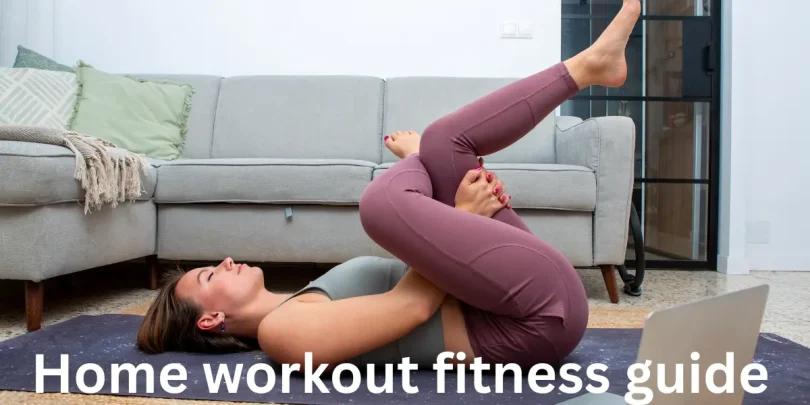

Let’s be real for a moment. We all know the struggle—busy schedules, expensive gym memberships, traffic, and the intimidating atmosphere at gyms that can make even the most motivated person hesitate. That’s why a Home workout fitness guide is such a lifesaver. It’s all about convenience, comfort, and building a routine that actually sticks. Whether you’re completely new to fitness, haven’t exercised in a while, or just want a more flexible approach, this guide is here to help you navigate home workouts in a way that’s realistic, effective, and even enjoyable. You can achieve your goals without feeling overwhelmed, without needing fancy equipment, and without having to leave your home, which is exactly what makes this approach so appealing for busy lives.
Why Home Workouts Can Be a Game-Changer
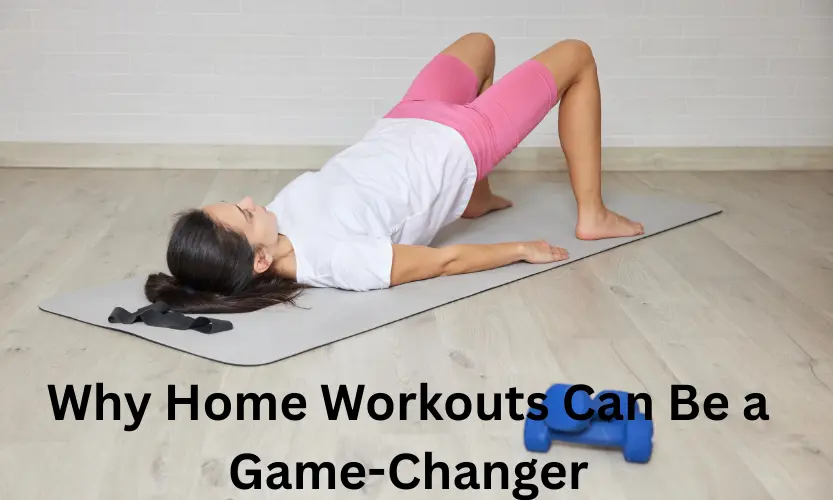
Home workouts are more than just a way to save money on a gym membership. They offer flexibility that a traditional gym can’t match, giving you the freedom to exercise when it works best for your schedule. You can structure your sessions around your day, whether that’s early morning before work, during lunch, or late in the evening. Working out at home also removes the pressure of other people watching or comparing, allowing you to focus purely on your form and progression. The privacy and comfort of home can make starting and sticking to an exercise routine feel less intimidating. Beyond convenience, home workouts allow you to tailor routines to your needs, experiment with different styles of exercise, and gradually increase intensity at a pace that feels right for you.
Understanding the Basics of Fitness at Home
Before jumping into exercises, it’s important to understand the fundamentals. Real talk: you don’t need machines or a gym membership to see results. There are three main pillars to focus on: strength, cardio, and flexibility. Strength training builds and tones muscles, which improves posture, balance, and overall body composition. Cardio exercises keep your heart healthy, burn calories, and improve stamina. Flexibility and mobility exercises, often overlooked, are crucial for preventing injuries, relieving tension, and improving range of motion. By balancing these three pillars, you create a comprehensive approach that covers all aspects of fitness. Even a simple routine that touches on all three areas can lead to long-term health benefits and noticeable physical improvements if performed consistently.
Setting Up Your Home Workout Space
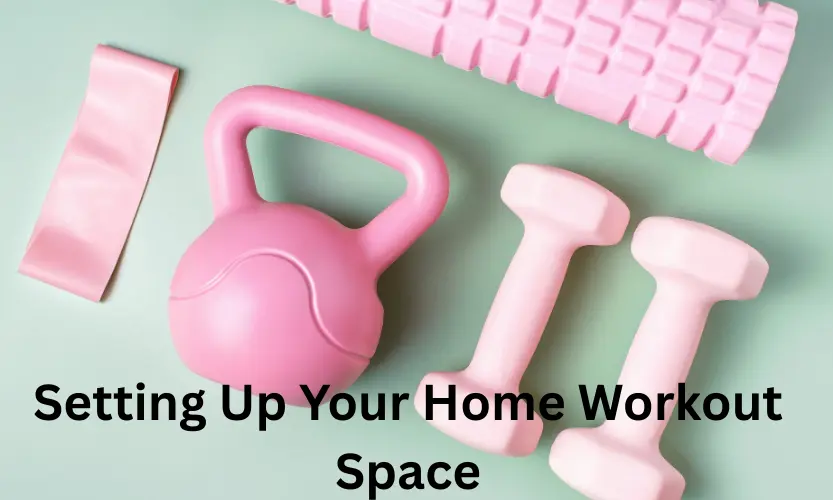
Setting up a dedicated workout space doesn’t have to be complicated. You don’t need a huge area or a lot of fancy equipment. All you need is a small, clutter-free spot where you can move freely and safely. This could be a corner of your living room, a spare room, or even just a mat in your bedroom. Having some basic equipment like a yoga mat, resistance bands, or a pair of dumbbells can enhance your workout, but it’s not essential for beginners. It’s more important that the space feels inviting and functional. Adding personal touches, like good lighting, a motivating poster, or even a playlist that pumps you up, can make your workout experience more enjoyable. Creating a space that feels yours encourages consistency because you’ll actually want to spend time there.
Creating a Beginner-Friendly Routine
When starting, simplicity is key. Too many exercises or complicated routines can quickly become overwhelming. A beginner-friendly schedule should be manageable yet effective. Aim for 3–5 sessions per week, mixing strength, cardio, and flexibility exercises. For instance, you might alternate between full-body strength, targeted upper or lower body days, and low-impact cardio sessions. It’s crucial to listen to your body and allow time for rest days to recover, especially in the early stages. The goal is to establish habits rather than chase perfection. Over time, as you gain confidence and strength, you can gradually increase the intensity, duration, or complexity of your workouts.
Bodyweight Exercises That Work Wonders
One of the best things about home workouts is that your body weight is often enough to build strength and improve fitness. Exercises like squats, push-ups, lunges, planks, and glute bridges target multiple muscle groups and require no equipment. Squats strengthen legs and glutes, push-ups build chest, arms, and core, planks improve core stability, lunges enhance balance and lower body strength, and glute bridges activate muscles in the hips and glutes. These moves can be combined into a circuit, repeated for several rounds, and modified depending on your current fitness level. Mastering these foundational exercises forms the backbone of a strong home fitness routine.
Adding Cardio to Your Routine
Cardio is an essential part of fitness, and there are plenty of ways to do it at home without running on a treadmill. Jumping jacks, high knees, step-ups, and follow-along dance or cardio videos are great beginner-friendly options. The key is to keep the heart rate elevated for at least 15–30 minutes, a few times per week. Cardio doesn’t have to be boring; the more you enjoy it, the more likely you are to stick with it. You can even mix short bursts of cardio with strength exercises in a circuit format for a full-body, high-energy session that keeps things interesting.
Strength Training With Minimal Equipment
Adding simple tools can amplify your workouts. Dumbbells, resistance bands, or a stability ball can increase intensity and challenge different muscle groups. Dumbbells are versatile for arms, shoulders, and chest exercises, while resistance bands provide excellent support for leg and glute workouts. A stability ball engages the core during exercises and helps improve balance. Even if you only have one or two pieces of equipment, you can create a dynamic, effective routine. Beginners should focus on proper form and gradually increase resistance to prevent injury while still challenging the body.
Common Beginner Mistakes to Avoid
Everyone makes mistakes when starting a home workout routine, but being aware of them can save you frustration and injury. Skipping warm-ups or cool-downs, pushing too hard too fast, neglecting proper form, ignoring rest days, or comparing yourself to others are the most common pitfalls. These mistakes can lead to burnout, soreness, or even injuries. Staying mindful, following a plan suited to your level, and embracing a patient, consistent approach will keep you on track and make your fitness journey enjoyable rather than stressful.
Nutrition Tips to Complement Your Workouts
Even the best workout routine won’t reach its full potential without proper nutrition. Focus on protein-rich foods to repair and build muscles, include whole grains and vegetables to fuel your energy, and stay hydrated throughout the day. Minimizing processed foods and added sugar while using smaller, frequent meals if it helps manage hunger can make a significant difference. Nutrition doesn’t have to be complicated—small, consistent improvements can complement your workouts and accelerate your progress.
Staying Motivated at Home
Staying motivated is often the hardest part of home workouts. Set clear, realistic goals, track progress, and reward yourself for consistency rather than only results. Mixing up routines keeps boredom away, and joining online communities or virtual workout groups can provide accountability. Music, podcasts, or even turning workouts into mini challenges can make sessions feel more engaging. Remember that consistency and enjoyment matter more than perfection—if you’re having fun, you’re more likely to stick with it long-term.
Tracking Progress Without a Gym
Progress tracking doesn’t require expensive devices. Simple strategies like taking weekly photos, tracking reps and sets in a notebook, noticing changes in how your clothes fit, or even monitoring energy levels and mood can provide valuable insights. Small milestones, like completing an extra set, holding a plank longer, or increasing the number of push-ups, are worth celebrating. Tracking progress helps maintain motivation and reinforces the positive changes your body is making, even when results feel slow.
Troubleshooting Common Challenges
Challenges are inevitable, but solutions exist for most home workout obstacles. Feeling tired? Focus on rest and nutrition. Limited space? Modify exercises or move furniture temporarily. Boredom? Switch routines or try a new workout style. Plateauing? Gradually increase intensity or add variations to keep your muscles guessing. Problem-solving is part of the journey, and learning how to adapt builds resilience and confidence in your fitness routine.
Making Workouts Fun
Fitness should never feel like a chore. You can make home workouts fun by turning sessions into mini dance parties, trying themed routines, involving family or friends virtually, or gamifying your workouts with streaks or personal challenges. The more enjoyable your sessions are, the more likely you are to stick with them long-term. Remember, consistency and enjoyment are the true keys to sustainable fitness.
Balancing Workouts With Daily Life
Life is unpredictable, and the beauty of a home workout routine is its flexibility. Even short sessions of 10–15 minutes can be effective if done consistently. Morning workouts boost energy and productivity, while evening workouts can relieve stress. Listening to your body and scheduling rest days is essential. The goal is to integrate fitness into daily life, not let it feel like an extra burden.
Creating a Long-Term Fitness Mindset
Fitness isn’t about quick fixes—it’s about building a sustainable lifestyle. Focus on forming habits, celebrating small victories, listening to your body, and adjusting routines as you grow stronger. Progress may be gradual, but a consistent approach ensures lasting results. Over time, working out at home will feel like a natural part of your daily life rather than a separate task. This mindset is what ultimately leads to long-term health, strength, and confidence.
You may also like these
Simple lifestyle hacks for wellness to Transform Your Health Today
Transform Your Day with Lifestyle Hacks for Productivity
Stress-relief lifestyle tips That Transform Your Daily Routine
Simple eco-friendly lifestyle hacks to reduce waste and live better
Time-Saving Lifestyle Hacks That Instantly Simplify Your Daily Routine
Conclusion: Your Actionable Home Fitness Checklist
You have everything you need to start right now. Set up your space, pick a few beginner-friendly exercises, schedule regular sessions, track progress, and most importantly, stay consistent. Remember to enjoy the journey, embrace small wins, and be patient with yourself. Following this Home workout fitness guide isn’t about perfection—it’s about showing up for yourself, building healthy habits, and creating a lifestyle that lasts. Here’s a simple checklist to get started:
- Clear a small space and prepare a mat or basic equipment
- Choose 3–5 beginner exercises covering strength, cardio, and flexibility
- Schedule workouts at a time that works for you
- Track progress in a notebook or with photos
- Celebrate small improvements and stay consistent
FAQs
What is the best way to start a home workout fitness guide?
Begin with simple exercises that match your fitness level, focus on proper form, and gradually increase intensity to avoid injury.
How often should I follow a home workout fitness guide?
Consistency is key; aim for at least three to five sessions per week while allowing time for rest and recovery.
Do I need any equipment for a home workout fitness guide?
Many exercises can be done with body weight, but adding dumbbells, resistance bands, or a mat can enhance results.
Can a home workout fitness guide help with weight loss?
Yes, combining strength and cardio exercises from the guide with a healthy diet can effectively support weight loss.
How do I stay motivated using a home workout fitness guide?
Set clear goals, track your progress, mix routines to avoid boredom, and celebrate small achievements along the way.