

Let’s be real—adult life is busy, and sometimes grabbing whatever’s convenient feels easier than planning meals. Between work, family, and social commitments, it’s no wonder many of us end up skipping meals, eating on the go, or relying on fast food. But here’s the deal: eating well doesn’t have to be complicated or boring. When we talk about Balanced diet tips for adults, we’re talking about practical, doable ways to fuel your body, keep energy levels stable, and support your overall health without feeling deprived. Think of it as learning to listen to your body and giving it the nutrients it actually needs while still enjoying the food you love. Small steps, consistent habits, and realistic choices are the secret to making healthy eating stick. You don’t have to overhaul your life overnight; even simple changes like adding an extra serving of vegetables, swapping refined carbs for whole grains, or including a healthy fat in your meals can make a significant difference over time.
Understanding what a balanced diet really means

A balanced diet isn’t about perfection, strict rules, or eating bland meals. It’s about variety, moderation, and making sure your body gets the nutrients it needs to function at its best. Picture your plate as a canvas of colors, each representing a different nutrient: proteins for repairing muscles and supporting energy, carbohydrates for brain function and daily stamina, healthy fats for heart health and hormone balance, and plenty of fruits and vegetables for essential vitamins and minerals. Incorporating these elements in a way that suits your lifestyle helps prevent chronic illnesses, boosts immunity, and keeps your mind sharp. The focus is on whole, minimally processed foods, but occasional treats are perfectly fine. A balanced approach to eating builds a foundation for long-term health without creating stress around every meal.
How to make healthy eating realistic
Here’s the real talk: beginners often get overwhelmed thinking a balanced diet means perfection, but it doesn’t. You can still enjoy your favorite foods while making healthier choices overall. Start with small, manageable swaps and gradual changes that feel sustainable. For example, choosing brown rice instead of white, adding an extra portion of vegetables to your dinner, or keeping a bowl of fresh fruit on your counter can create healthy habits without feeling restrictive. Drinking water consistently throughout the day instead of sugary drinks, keeping healthy snacks like nuts or yogurt handy, and cooking simple meals at home are all practical ways to support a balanced diet. The key is consistency over perfection; making these small choices day after day has a cumulative effect on your energy, mood, and overall wellbeing.
Meal planning without stress
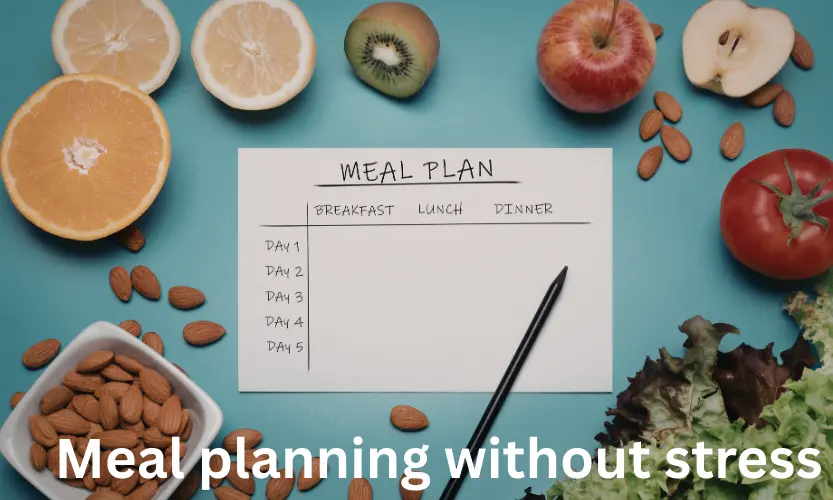
Meal planning doesn’t have to be intimidating or take hours of your week. Start with a flexible approach that works for your schedule and preferences. Begin by picking a few meals you enjoy and know are nutritionally balanced, then build around them. A simple template could include one protein source like chicken, tofu, or beans, a healthy carb like whole grains, a generous portion of vegetables, and a small amount of healthy fat such as avocado, nuts, or olive oil. Batch cooking or prepping ingredients ahead of time can save you stress during busy weekdays and prevent reliance on fast food. Even preparing one or two meals in advance can make a huge difference in maintaining a consistent balanced diet.
Tips for eating balanced on a tight schedule
Adult life is often hectic, and it’s easy to skip meals or fall back on unhealthy options. The good news is that there are ways to stay on track without adding stress. Keep portable snacks like fruits, nuts, or yogurt available for busy mornings, and make one-pot or sheet pan meals that can be reheated throughout the week. Using slow cookers or instant pots can save time and provide healthy dinners with minimal effort. Don’t skip breakfast, even if it’s just a quick smoothie or overnight oats. The trick is having convenient, nourishing options ready so you can fuel your body consistently even on your busiest days. Planning ahead, even just a little, makes sticking to a balanced diet much easier.
Understanding portion sizes
Even healthy foods can become problematic if portions aren’t considered. A practical method for beginners is to divide your plate into sections: half for fruits and vegetables, a quarter for lean protein, and a quarter for whole grains, with a small serving of healthy fats added. Paying attention to your body’s hunger and fullness cues is also crucial. Eating slowly and mindfully helps you notice when you are satisfied, preventing overeating and supporting digestion. Learning to serve appropriate portions without stress is a major step toward sustainable healthy eating habits.
Hydration and its role in a balanced diet
Hydration is often overlooked, but water plays a vital role in overall health. It aids digestion, supports skin health, regulates temperature, and keeps energy levels steady. Aim to drink water consistently throughout the day, and remember that beverages like herbal tea or infused water count toward hydration. Dehydration can often feel like hunger, so maintaining good fluid intake helps prevent unnecessary snacking and supports your overall balanced diet.
Dealing with cravings and emotional eating
Cravings and emotional eating are normal, and they don’t have to derail your healthy habits. The key is to recognize whether you are physically hungry or eating due to boredom, stress, or habit. When cravings hit, consider healthier alternatives or portion-controlled indulgences rather than complete restriction. Allowing yourself to enjoy treats occasionally helps prevent feelings of guilt and creates a healthier relationship with food. Balancing nutrition and pleasure is essential for long-term success.
Special considerations for adults
Adults often have unique nutritional needs depending on age, activity level, and health conditions. For example, maintaining bone health requires sufficient calcium and vitamin D from dairy, fortified plant milks, or leafy greens. Heart health is supported by focusing on healthy fats while limiting saturated and trans fats. Brain health benefits from omega-3 fatty acids found in fish, flax, chia, or walnuts. Digestive health improves with a diet rich in fiber from fruits, vegetables, and whole grains. Tailoring your diet to meet these needs ensures your body is supported through every stage of adult life.
Overcoming common barriers
Beginners often struggle with barriers like lack of time, knowledge, or motivation. Educating yourself gradually, trying simple recipes, involving family or friends for accountability, and using meal tracking tools can all help. The key is starting small and focusing on achievable goals. Celebrating small victories, like consistently including a vegetable in each meal, builds confidence and makes healthy eating feel attainable rather than overwhelming.
How to enjoy food without guilt
Eating should be enjoyable, even when prioritizing health. Mindful eating—savoring each bite, trying new recipes, and including foods you genuinely enjoy—creates a positive relationship with food. Including treats in moderation prevents feelings of deprivation and helps sustain healthy habits long-term. When balanced eating feels flexible and rewarding, it becomes a natural part of your lifestyle.
Actionable checklist for beginners
Include a variety of food groups in every meal
Drink enough water throughout the day
Prep meals or ingredients in advance to save time
Keep healthy snacks on hand for busy moments
Listen to your body’s hunger and fullness cues
Allow yourself occasional indulgences guilt-free
Conclusion
Eating well as an adult may feel challenging at first, but with small, consistent steps, it becomes second nature. Focus on variety, moderation, and enjoying the foods you love while fueling your body with essential nutrients. Stay patient with yourself, celebrate progress, and remember that every small change counts. Following these balanced diet tips for adults will help you feel energized, confident, and nourished in your daily life, making healthy eating a sustainable and rewarding part of your lifestyle.
FAQs
What is a balanced diet for adults?
A balanced diet for adults includes a mix of proteins, carbohydrates, healthy fats, vitamins, and minerals to support energy, immunity, and overall health.
How can adults maintain a balanced diet daily?
Adults can maintain a balanced diet by including a variety of fruits, vegetables, whole grains, lean proteins, and staying hydrated while limiting processed foods and sugar.
Why is a balanced diet important for adults?
A balanced diet helps prevent chronic diseases, supports mental health, maintains healthy weight, and boosts energy levels for daily activities.
Can adults follow a balanced diet on a budget?
Yes, adults can eat a balanced diet on a budget by planning meals, choosing seasonal produce, buying in bulk, and focusing on affordable protein sources like beans and eggs.
How does a balanced diet affect adult energy levels?
Eating a balanced diet provides consistent energy, prevents fatigue, and improves focus and productivity by supplying essential nutrients your body needs.
