
Let’s be real for a moment—starting a fitness journey can feel overwhelming and intimidating, especially when you’re new to exercise and the gym seems like a foreign land filled with complicated machines, intimidating people, and confusing routines. Most of us have been there, thinking “I’ll start tomorrow” only for tomorrow to come and go without any action. The good news is, you don’t need fancy gym equipment, expensive memberships, or complicated schedules to begin moving your body and feeling better. A beginner fitness guide at home is all about making fitness accessible, realistic, and actually enjoyable. It’s about creating small, consistent habits that fit into your life, not the other way around, and building confidence with every movement. You can set up your space, learn the exercises, and develop a routine that suits your energy levels and lifestyle, all without leaving your house or feeling self-conscious about being a beginner.
Why Starting at Home is Perfect for Beginners

Starting your fitness journey at home has countless advantages, and it’s honestly the best way to ease into exercise without pressure or distraction. You have full control over your environment, your pace, and the type of workouts you want to do. There’s no waiting for machines, no lines, no gym anxiety, and no comparing yourself to others. Home workouts allow you to focus entirely on your progress, and you can create a comfortable, inviting space that makes you excited to move. You can experiment with different exercises, find what feels best for your body, and gradually increase intensity as you grow stronger. Starting at home also allows you to fit workouts seamlessly into your schedule—whether it’s a quick 10-minute morning session, a lunchtime stretch, or an evening energy boost, you have the flexibility to prioritize your health without stress or guilt. The best part is that by starting at home, you’re laying the foundation for a long-term fitness habit that’s sustainable, realistic, and rewarding.
Setting Up Your Space for Success
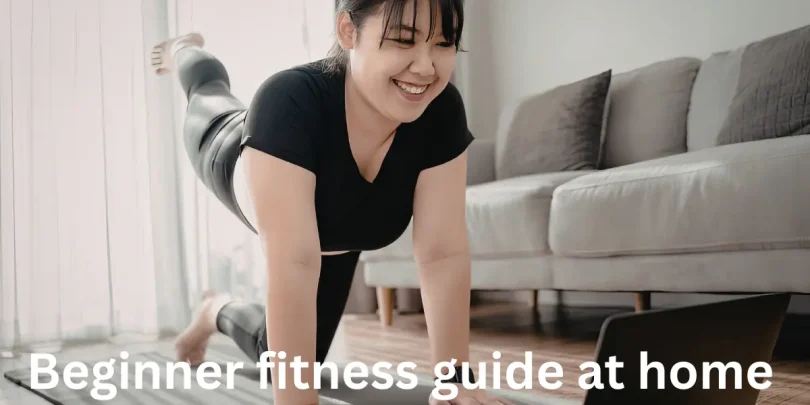
You don’t need a lot to get started, but creating a dedicated space helps you stay consistent and focused. Even a small corner in your living room, bedroom, or hallway can become your personal workout zone. A yoga mat or soft surface provides comfort for floor exercises, stretching, and planks. Optional tools like resistance bands, light dumbbells, or even a sturdy chair can enhance your workouts, but you can absolutely make progress without them. Keep a water bottle nearby to stay hydrated and a timer or phone ready if you want to track your sessions. The most important thing is to make your space feel inviting rather than like a chore area—decorate it with a motivational quote, open the blinds for natural light, and ensure you have enough room to move freely. Having a designated area signals to your mind and body that it’s time to focus on your health, making it easier to stick with your routine consistently.
Warm-Ups: Why They’re Non-Negotiable

Before diving into any workout, warming up is essential. Skipping warm-ups increases your risk of injury and makes exercises feel harder than they need to be. Even a five- to ten-minute warm-up can make a huge difference in your performance and comfort during workouts. Simple movements like marching or jogging in place, arm circles, shoulder rolls, gentle lunges, and hip openers help increase blood flow to muscles, loosen joints, and prepare your body for activity. Warm-ups also signal your mind that it’s time to focus, improving mental readiness and motivation. Think of it as giving your body a friendly heads-up before asking it to work hard—your muscles, joints, and mind will thank you.
Beginner-Friendly Exercises You Can Do at Home
When starting out, simplicity is your friend. The goal is to learn proper form, build endurance, and gradually increase intensity. Bodyweight exercises are perfect for beginners because they’re safe, effective, and require no equipment. Squats strengthen your legs and glutes, push-ups build upper body strength (modify by doing them on your knees if needed), planks improve core stability, and glute bridges target your lower back and hips. Cardio can be simple yet effective—marching in place, high knees, or jumping jacks get your heart pumping without needing a treadmill. Flexibility and recovery exercises like forward folds, hamstring stretches, cat-cow movements, and shoulder stretches improve mobility, prevent stiffness, and enhance overall performance. Start with short sessions of 15–30 minutes, focusing on form and gradually adding reps or intensity as your body adapts. The key is to move consistently and enjoy the process rather than aiming for perfection from day one.
Creating a Weekly Routine That Sticks
A structured routine helps beginners stay consistent, but it doesn’t need to be complicated or rigid. The best approach is to balance movement with recovery while gradually building strength and endurance. For example, a week could include a full-body workout on Monday, active recovery or stretching on Tuesday, a core-focused session on Wednesday, light cardio and mobility on Thursday, a strength and balance session on Friday, and optional light movement or rest on the weekend. This framework allows your body to adapt gradually, reducing the risk of injury or burnout while building a strong habit. The idea is to develop a sustainable routine that becomes part of your lifestyle rather than a short-term, exhausting challenge. Over time, you’ll notice improvements in strength, energy, and confidence, making it easier to stay motivated and committed.
Overcoming Common Beginner Challenges
Let’s be honest—everyone hits roadblocks at the start. Motivation can wane, workouts can feel confusing, and boredom or frustration can creep in. The key is to tackle these challenges with practical strategies. If motivation dips, focus on small, achievable goals and celebrate progress, not perfection. Feeling overwhelmed? Simplify your routine and stick to one session at a time. Confused by exercises? Use guided videos, follow step-by-step instructions, and practice slow, deliberate movements to master form. Bored? Mix cardio, strength, and flexibility throughout the week and experiment with different exercises or music to keep things fresh. Consistency is more important than intensity, and by acknowledging challenges and addressing them proactively, you’ll set yourself up for long-term success and enjoyment.
Nutrition Basics for Home Fitness Beginners
Exercise alone isn’t enough—nutrition plays a huge role in how you feel and the results you achieve. Beginners should focus on simple, sustainable habits rather than extreme diets. Hydration is crucial for energy and recovery, and including protein in meals supports muscle repair and growth. Incorporate whole foods like fruits, vegetables, grains, and healthy fats to fuel your workouts and overall health. Avoid overly restrictive diets; balance and consistency matter more than perfection. Think of nutrition as fuel for your body rather than punishment—when you eat well, you’ll notice more energy, better focus, and faster recovery from your workouts. Small, consistent improvements in diet complement your home fitness routine and accelerate your progress.
Tracking Progress Without Obsession
Tracking your journey is helpful, but it’s important to avoid becoming obsessed with numbers. Instead, pay attention to how you feel—energy levels, endurance, strength, and confidence. Celebrate non-scale victories like completing more reps, holding a plank longer, or moving more fluidly through exercises. Journals, photos, or fitness apps can help you stay accountable and monitor growth over time without turning progress tracking into stress. Remember, small incremental improvements are what build long-term results, and focusing on how your body feels and functions is more rewarding than fixating on numbers alone.
Recovery: The Often-Missed Hero
Recovery is where your body actually grows stronger. Beginners often underestimate rest, which can lead to fatigue or injury. Prioritize 7–9 hours of sleep, incorporate gentle stretching, stay hydrated, and allow rest days for muscles to repair. Recovery doesn’t mean inactivity; light walks, mobility exercises, or stretching sessions count as active recovery and help reduce soreness while keeping you moving. Your fitness journey is about consistency, but that consistency includes rest and care for your body as much as it does active workouts.
Staying Consistent in the Long Run
Here’s the no-fluff truth: consistency beats intensity every time. Build a routine that is realistic, enjoyable, and adaptable to your lifestyle. Forgive yourself when you miss a session, celebrate small wins, and remember that progress takes time. Over months, even small daily efforts compound into significant improvements in strength, energy, and confidence. The key is to show up, stay patient, and make fitness a sustainable part of your life rather than a short-term challenge or punishing routine.
Mindset Matters
Fitness isn’t just about muscles or endurance—it’s also about mindset. Approach your journey with kindness, curiosity, and self-compassion. Mistakes happen, progress is gradual, and your body deserves patience and respect. Shifting focus from punishment or perfection to joy, movement, and health will make your home workouts far more rewarding and sustainable. Positive mindset fuels motivation, resilience, and long-term success.
Actionable Checklist for Home Beginners
Set up a comfortable workout space in your home, pick 3–5 beginner-friendly exercises, schedule 15–30 minutes daily, always warm up first, track progress weekly, include at least one rest or recovery day, maintain balanced nutrition and hydration, and celebrate every small win. This simple checklist keeps you accountable, motivated, and on track without overcomplicating things.
Conclusion
Starting a fitness journey can feel intimidating, but it’s completely achievable from the comfort of your own home. The most important thing is to focus on progress, consistency, and enjoyment rather than perfection or speed. Be patient, listen to your body, and celebrate every small win. Remember that with determination, patience, and the right approach, a beginner fitness guide at home can truly transform your energy, strength, confidence, and overall well-being. Stick with it, trust the process, and enjoy every step of this journey—you’ve got this.
FAQs
What is a beginner fitness guide at home?
A beginner fitness guide at home is a step-by-step plan that helps newcomers start exercising safely and effectively without needing a gym. It focuses on easy-to-follow workouts and simple routines.
Do I need any equipment for a beginner fitness guide at home?
Most beginner fitness guides at home use minimal or no equipment. Simple items like resistance bands, dumbbells, or a yoga mat can enhance workouts but aren’t always necessary.
How often should I follow a beginner fitness guide at home?
Consistency is key. Following your beginner fitness guide at home 3-5 times a week allows your body to adjust gradually while avoiding burnout or injury.
Can a beginner fitness guide at home help with weight loss?
Yes, when combined with a balanced diet, a beginner fitness guide at home can improve metabolism, burn calories, and support weight loss and overall health.
How long will it take to see results with a beginner fitness guide at home?
Results vary depending on effort and consistency. Most beginners notice improved energy, strength, and endurance within a few weeks of following the guide regularly.