

We all know the struggle of trying to start a fitness routine. One day you’re motivated, and the next day life just gets in the way. Maybe you’ve promised yourself, “I’ll start running tomorrow,” or “I’ll hit the treadmill next week,” and yet somehow it never happens. The good news is cardio isn’t just for athletes or fitness fanatics. It’s for everyone who wants to feel better, boost energy, improve heart health, or just move more comfortably in daily life. The Cardio exercise guide I’m sharing today is like a chat with a friend who’s been there—helpful, no fluff, and full of practical advice for beginners who might feel lost in the world of fitness. We’ll cover why cardio matters, types of exercises, how to start, common concerns, nutrition tips, motivation hacks, and ways to track progress, all in a way that’s approachable and doable for anyone ready to take the first step.
Why Cardio Matters

Cardio is all about getting your heart pumping and your blood flowing. Think of your heart as a muscle that needs regular exercise to stay strong. When you engage in cardiovascular exercise, you’re not just burning calories or trying to lose weight; you’re strengthening your heart, improving lung capacity, and supporting overall health. Regular cardio helps lower blood pressure, improves circulation, reduces the risk of heart disease, and even contributes to mental well-being. Many beginners think cardio is only for weight loss, but the truth is it’s a holistic form of exercise that energizes your entire body, boosts mood, reduces stress, and improves sleep. For someone just starting out, the benefits might not all be visible immediately, but over time, you’ll notice better stamina, easier daily activities, and a sense of accomplishment that motivates you to keep going. Cardio is about building a foundation, and that foundation sets the stage for all other fitness progress, whether it’s strength training, flexibility work, or more advanced endurance exercises.
Types of Cardio You Can Try
There’s a huge variety of cardio options, which is great because it means you can find something you actually enjoy. Low-impact options like walking, swimming, cycling, and elliptical workouts are perfect for beginners or those with joint concerns. They raise your heart rate and improve cardiovascular health without putting undue stress on your body. Moderate to high-intensity workouts, including running, jump rope, HIIT routines, and dance-based cardio, provide a greater challenge and can burn more calories in less time, but they also require careful attention to form and gradual progression. Mixing different types of cardio keeps things interesting, prevents boredom, and challenges different muscle groups. For beginners, it’s important to experiment and see what feels sustainable, because consistency matters more than doing the “hardest” workout. A balanced approach that alternates between easier and more challenging sessions is usually the most effective way to stick with a cardio routine long-term.
How to Start Your Cardio Routine
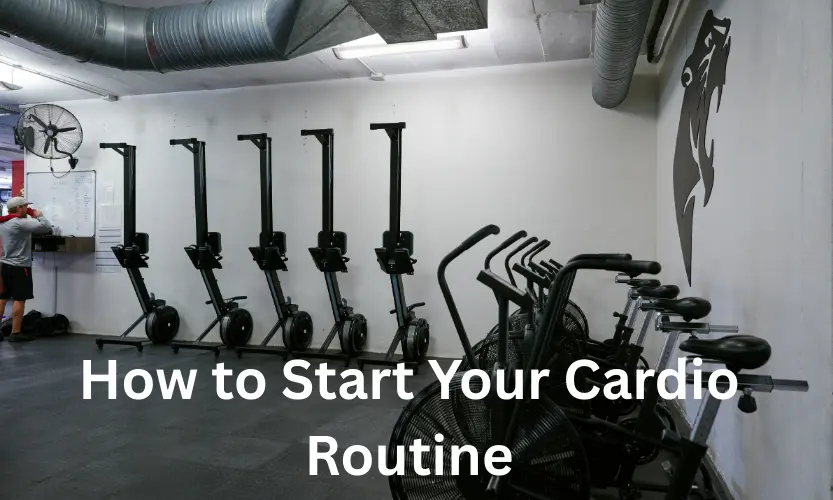
Starting is often the hardest part, so let’s break it down in simple steps. Begin by assessing your current fitness level. Can you walk for 20 minutes without getting overly tired? Do you have any injuries or health concerns? Knowing where you are helps you set realistic goals and avoid injury. Next, set achievable goals. Forget about running a marathon right away; start small. A 10–15 minute walk each day, beginner-friendly HIIT sessions a couple of times per week, or a few cycling sessions are excellent starting points. Focus on showing up consistently rather than pushing for extreme intensity. Short, regular sessions often provide more benefits than occasional long workouts. As you progress, gradually increase the duration and intensity, always listening to your body and adjusting accordingly. Consistency is the secret sauce here, and the key is to make cardio a non-negotiable part of your routine, like brushing your teeth.
Common Beginner Concerns
Beginners often worry about boredom, fatigue, or lack of results. Boredom is normal, and the solution is variety. Switching between walking, running, cycling, or dancing can keep your workouts fresh. Pairing workouts with music, friends, or a scenic route adds enjoyment and motivation. Feeling tired after a session is also normal; fatigue will decrease as your body adapts, but make sure you fuel properly and allow adequate rest. You don’t need a gym to do cardio. Outdoor walking, stair climbing, home HIIT workouts, and bodyweight exercises are all effective. Injuries are a concern for many beginners, so warming up, focusing on form, and gradually progressing in intensity are essential. Listening to your body is critical—pain is a signal to slow down, not push through. Tracking progress can be simple: notice improvements in stamina, energy levels, and mood. Apps, journals, or even just keeping note of your daily activities can help maintain motivation and recognize progress beyond weight loss alone.
Tips for Making Cardio Enjoyable
Cardio doesn’t have to be boring or intimidating. Pick activities you genuinely enjoy, because if you hate what you’re doing, you won’t stick with it. Establish a routine by scheduling sessions at times that work best for your lifestyle. Some people thrive on morning walks, others prefer evening sessions. A buddy system adds accountability, whether it’s a friend, a family member, or an online fitness community. Rewards and positive reinforcement help build consistency—celebrate the small wins like completing a full week of workouts, improving your time or distance, or simply feeling more energetic. Variety, structure, and enjoyment are all key ingredients for creating a sustainable cardio habit.
How Long Should Cardio Sessions Be?
Beginners don’t need to overdo it. Even 10–20 minutes per day is sufficient to see benefits. The important thing is frequency rather than long sessions. Aim for at least three to five sessions per week, gradually increasing time or intensity as you adapt. Listening to your body is crucial; rest and recovery are part of progress. Over time, you’ll be able to extend sessions to 30–60 minutes comfortably, but the starting point should be manageable and realistic. It’s much better to maintain shorter, consistent workouts than to burn out with long, sporadic sessions.
Nutrition and Cardio
Fueling your body properly is essential for effective cardio. Carbohydrates are your main energy source, so eating a light snack like a banana, oats, or whole grains before your workout can make a noticeable difference in performance. Post-cardio, protein helps repair muscles and prevent soreness, while hydration replenishes fluids lost during sweat. Balanced meals before and after workouts are key—extreme restrictions or overeating won’t help achieve results. Pay attention to how your body responds to different foods and adjust your nutrition plan accordingly to feel energized and recover efficiently.
Tracking Progress Without Obsession
It’s easy to get caught up in numbers like weight or calories burned, but non-scale victories are equally important. Improved mood, better sleep, increased energy, and the ability to complete longer sessions are all signs that your cardio routine is working. Keeping a journal or using a tracking app helps notice progress, maintain motivation, and celebrate milestones. Flexibility in adjusting your routine is vital; if you plateau, change intensity, try new exercises, or extend your sessions. Remember that fitness is a journey, and incremental improvements matter more than dramatic overnight results. Tracking is about understanding your growth, not obsessing over perfection.
Common Myths About Cardio
There are many misconceptions about cardio that can discourage beginners. One myth is that you need to spend hours every day exercising. In reality, consistency and quality matter more than duration. Short, focused sessions can be just as effective. Another myth is that cardio kills muscle. While extreme amounts can affect muscle mass, moderate cardio combined with strength training helps preserve muscle while improving endurance. Sweating heavily is not an indicator of effectiveness; your focus should be on heart rate and consistency rather than perspiration. Dispelling these myths early can prevent frustration and help beginners stick with their routine confidently.
Staying Motivated
Motivation fluctuates, and that’s completely normal. Celebrate small victories such as completing your first week, hitting a personal distance goal, or simply feeling more energetic. Mixing social and solo workouts adds variety—some days you’ll enjoy company, other days you may need quiet time. Visual reminders like leaving workout clothes in plain sight, using apps, or setting calendar alerts help keep cardio on your radar. Embrace the journey rather than focusing solely on outcomes. Progress isn’t linear, and setbacks are part of learning. Patience, consistency, and self-compassion are key to long-term success.
Conclusion
Cardio doesn’t have to feel intimidating, complicated, or boring. With this cardio exercise guide, you have a roadmap to start moving, boost energy, improve heart health, and create a sustainable fitness habit. Remember, it’s the small steps and consistent efforts that lead to meaningful results. Celebrate progress, listen to your body, enjoy the variety, and stick with it. Over time, cardio will become a natural and enjoyable part of your lifestyle.
Actionable Takeaway Checklist
- Choose a cardio activity you enjoy and start with short, consistent sessions
- Aim for three to five workouts per week, gradually increasing time and intensity
- Fuel your body with carbs before workouts and protein after
- Track progress with non-scale victories and journaling
- Celebrate wins, stay flexible, and listen to your body
FAQs
What is a cardio exercise guide?
A cardio exercise guide is a resource that explains different types of cardiovascular workouts, their benefits, and how to perform them safely and effectively.
How often should I follow a cardio exercise guide?
Most people benefit from incorporating cardio several times a week, but it depends on your fitness level and goals. Consistency matters more than intensity at first.
Can a cardio exercise guide help with weight loss?
Yes, following a cardio exercise guide can support weight loss by burning calories, boosting metabolism, and improving overall fitness.
What types of cardio exercises are usually included?
Common cardio exercises include running, cycling, swimming, jumping rope, HIIT, and brisk walking, all of which raise heart rate and improve stamina.
Is a cardio exercise guide suitable for beginners?
Absolutely. Good guides often offer beginner-friendly routines, tips to avoid injury, and ways to gradually increase intensity for safe progress.