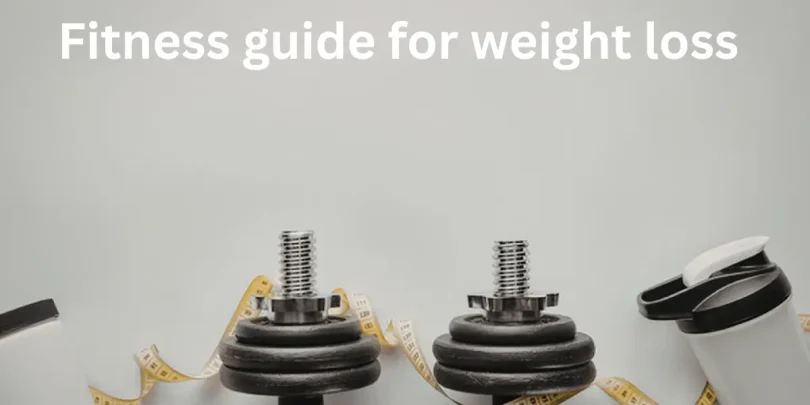

Let’s face it, beginning a fitness journey can feel intimidating. You see people on social media lifting weights, running marathons, or nailing advanced yoga poses, and it’s easy to feel behind before you even start. But here’s the truth: everyone starts somewhere, and the first step is the most important. This fitness guide for weight loss is designed for real people with real lives who want to make meaningful changes without overcomplicating things. Life is busy, energy levels fluctuate, and motivation can dip, but having a clear guide can make all the difference. Think of this as your friendly companion that helps you navigate workouts, nutrition, and mindset in a practical, beginner-friendly way without unrealistic expectations or gimmicks. You don’t need expensive equipment, extreme diets, or hours at the gym to see results. What you need is consistency, knowledge, and the willingness to start where you are, every day.
Why a guide matters

Here’s the deal: trying to lose weight without a roadmap often leads to frustration. Random workouts, fad diets, or contradictory advice can make anyone feel lost or give up entirely. A fitness guide provides structure, clarity, and confidence. It helps you focus on exercises that actually burn fat, guides you on proper form to prevent injury, and gives you a framework to track your progress. With a plan in place, you won’t have to waste energy guessing what’s effective. You’ll know what to do each day, making it easier to stick with the routine, feel accomplished, and slowly transform both your body and mindset. A well-structured guide also shows you how to balance workouts and recovery, which is critical for beginners, because overdoing it can lead to burnout or setbacks.
Understanding your body and metabolism
Before jumping into exercises, it’s crucial to understand how your body works. Your metabolism is like an engine that burns calories for energy, and its speed is influenced by factors like age, gender, muscle mass, activity level, and genetics. More muscle means more calories burned even at rest, which is why strength training is vital for weight loss. Your body also adapts to exercise over time, so mixing cardio, resistance training, and mobility work is key to keeping progress steady. Understanding your metabolism helps you set realistic expectations. Weight loss isn’t instantaneous, and there will be periods when results seem slow, but consistent effort leads to noticeable changes in energy, strength, and overall body composition. Knowing this from the start prevents discouragement and keeps you committed for the long term.
Starting with the right mindset

Fitness is as much mental as it is physical. Approaching a fitness journey with the right mindset can make the difference between quitting after a week and sticking with it for life. The reality is, some days you’ll feel motivated and energized, and other days you’ll want to skip your workout entirely. That’s normal. Success comes from consistency, not perfection. Focus on progress, not on achieving an ideal image overnight. Celebrate small wins like completing a workout, eating a nutritious meal, or hitting a new personal best. Surround yourself with supportive people or communities and practice patience. Your mind shapes your results just as much as your workouts, so learning to navigate frustration, self-doubt, and plateaus is essential for long-term success.
Beginner-friendly workouts for weight loss
You don’t need a gym or fancy equipment to start losing weight effectively. Bodyweight exercises like squats, lunges, push-ups, and planks are incredibly effective at building strength and burning calories. Low-impact cardio like brisk walking, cycling, or swimming increases heart rate and boosts metabolism without overstressing joints. Resistance bands are excellent for beginners because they provide resistance without heavy weights and help improve muscle tone. Short HIIT sessions of 20–30 minutes can accelerate fat loss by pushing your body in bursts, followed by recovery periods. The key is proper form and consistency. It’s better to do fewer reps correctly than rush through exercises incorrectly. Combining cardio, strength training, and mobility work ensures balanced fitness and sustainable results.
Creating a workout routine
Structuring your workouts can feel confusing at first, but it doesn’t have to be complicated. A simple weekly routine for beginners might include full-body strength exercises on some days, cardio on others, and active rest or light stretching. For example, you could do strength training on Monday and Thursday, cardio on Tuesday and Friday, active fun activities like hiking or dancing on Saturday, and full rest on Sunday and Wednesday. Listening to your body is crucial. If you’re overly sore or tired, modify intensity or take an extra rest day. Rest is just as important as workouts because it allows muscles to recover and grow, preventing injury and improving long-term performance. Sticking to a routine consistently, even with shorter sessions, is more effective than sporadic intense workouts.
The role of nutrition
You cannot out-train a poor diet. Nutrition is a cornerstone of any fitness guide for weight loss. Focus on whole, minimally processed foods such as fruits, vegetables, lean proteins, whole grains, and healthy fats. Portion control helps prevent overeating while fueling your body for workouts. Hydration is key—water supports metabolism, energy levels, and recovery. Avoid sugary drinks, excessive processed foods, and fad diets that promise fast results but aren’t sustainable. Instead, create a balanced, enjoyable eating plan that fits your lifestyle. The goal is building habits that you can maintain long-term, not drastic short-term fixes. Eating well fuels workouts, aids recovery, and helps you feel stronger and more energetic throughout the day.
Dealing with challenges
Every beginner faces obstacles. Motivation dips, progress slows, life gets busy, and it’s easy to get discouraged. Recognizing common challenges helps you navigate them effectively. Plateaus are normal—adjusting workouts or tweaking nutrition can break them. Sleep and stress management directly impact weight loss, so prioritize both. Avoid comparing yourself to others; your journey is unique. Journaling progress, feelings, and challenges can help maintain accountability and keep you focused. Overcoming challenges isn’t about perfection—it’s about persistence and learning to adapt. Every small step forward counts toward your long-term goals, even on days when it feels like nothing is happening.
Staying motivated
Motivation ebbs and flows, and relying solely on it isn’t sustainable. Instead, build habits that support your goals. Setting achievable targets like completing a full workout, lifting heavier, or running longer distances can keep you engaged. Reward yourself with non-food treats when milestones are reached. Finding a workout buddy, joining an online community, or tracking progress visually can maintain accountability. Music, podcasts, or audiobooks during workouts can make sessions enjoyable and help you push through tougher days. The combination of routine, support, and enjoyable activities ensures motivation lasts beyond the initial excitement of starting a new fitness journey.
Tracking your progress
Tracking progress helps you stay focused and see tangible results. Weekly photos, body measurements, workout logs, and food journals provide evidence of improvement and help identify areas needing adjustment. Remember, the scale doesn’t tell the whole story. Strength gains, improved endurance, better energy levels, and clothing fit are equally important indicators of success. Tracking keeps you accountable, motivated, and able to celebrate victories—big or small—along the way. It turns abstract goals into measurable milestones, helping you stay on track without feeling overwhelmed.
Common mistakes beginners make
Beginners often stumble on similar issues that can slow progress. Overdoing workouts can lead to injury, skipping rest days can hinder recovery, focusing only on cardio without strength training limits results, and obsessing over the scale can create unnecessary frustration. Awareness of these pitfalls allows you to navigate them and maintain a healthy, balanced approach. Avoiding mistakes doesn’t mean perfection; it means making informed choices that support consistent, sustainable progress while reducing risk of setbacks.
Mental health and fitness
Fitness impacts mental health just as much as physical health. Exercise releases endorphins that reduce stress, improve mood, and support better sleep. Including activities you enjoy, practicing mindfulness, and avoiding negative self-talk strengthens mental resilience. A positive mindset makes it easier to stick with workouts, eat well, and approach challenges constructively. Building mental wellness alongside physical fitness creates a sustainable lifestyle rather than a temporary change. Treating your body kindly and acknowledging your progress nurtures both mind and body, creating lasting benefits beyond appearance alone.
Putting it all together
Consistency is the real secret to success. Combining a positive mindset, beginner-friendly workouts, balanced nutrition, and proper tracking is the foundation of this guide. Think of this as your toolkit: exercises that burn fat, nutritional advice that fuels your body, and strategies that maintain motivation. There are no shortcuts, extreme diets, or gimmicks here—just practical steps you can take every day. Over time, these habits compound, resulting in noticeable improvements in energy, strength, mood, and appearance. Trusting the process, staying patient, and being adaptable to setbacks ensures you’ll maintain progress and develop a lifestyle that supports long-term health.
Actionable checklist for beginners
- Pick a start date and commit to a weekly routine
- Choose beginner-friendly exercises and focus on correct form
- Plan meals with whole, nutrient-dense foods
- Track workouts, meals, and progress
- Celebrate small wins, adjust as needed, and stay consistent
Conclusion
Starting a fitness journey may seem overwhelming, but it doesn’t have to be. Focus on building sustainable habits, listening to your body, and maintaining a positive mindset. Every small effort counts, and consistency is what transforms effort into results. Celebrate the small victories along the way, be patient with yourself, and remember that setbacks are part of the journey, not the end. With determination, realistic goals, and a balanced approach, you’ll see changes in strength, energy, confidence, and overall health. Your commitment is the key to success, and your fitness guide for weight loss is the roadmap to help you get there.
FAQs
What is the best way to start a fitness guide for weight loss?
Starting with simple, manageable exercises and a balanced diet is key. Focus on building habits rather than quick fixes for lasting results.
How often should I follow a fitness guide for weight loss?
Consistency matters more than intensity. Following a fitness routine most days of the week, even with short sessions, delivers better results over time.
Can I lose weight with a home fitness guide for weight loss?
Absolutely. Bodyweight exercises, resistance training, and cardio at home can be very effective if paired with proper nutrition and consistency.
What diet works best alongside a fitness guide for weight loss?
A diet rich in whole foods, lean proteins, vegetables, and controlled portions supports fat loss while providing energy for workouts.
How long will it take to see results from a fitness guide for weight loss?
Results vary depending on effort and lifestyle. With consistent exercise and proper nutrition, noticeable improvements usually appear in a few weeks.