


It’s a situation almost everyone can relate to. You wake up in the morning, glance in the mirror, and your skin looks tired, dull, or simply not as vibrant as you wish it could be. Maybe you have tried different face washes, moisturizers, and trendy skincare routines that promise a magical glow, yet the results feel temporary or disappointing. Real talk—many of us spend a lot of time focusing on what we put on our skin while forgetting about what we put into our bodies every single day. The truth is that healthy, glowing skin often begins from within. Your daily meals, snacks, and hydration habits quietly influence how your skin looks and feels over time. That is why Nutrition tips for glowing skin are becoming such an important topic for people who want long-lasting results rather than quick fixes. When your body receives the nutrients it truly needs, your skin has a better chance of looking naturally bright, smooth, and refreshed without relying solely on external products.
Why nutrition plays a major role in skin glow

Your skin reflects your internal health
Your skin is not just a surface layer that exists separately from the rest of your body. It is actually the largest organ you have, and just like your heart, brain, and muscles, it depends heavily on nutrients to stay strong and healthy. Every day your skin cells are constantly renewing themselves, replacing older cells with new ones that keep your complexion fresh and balanced. This natural renewal process requires vitamins, minerals, antioxidants, and proteins that come directly from the foods you eat. When your diet is rich in these essential nutrients, your skin cells have the building blocks they need to repair damage and maintain elasticity. On the other hand, when the body is lacking important nutrients, the skin may appear dull, dry, uneven, or tired. Many people are surprised to learn that something as simple as improving food choices can gradually influence the brightness and texture of their skin.
The inside out approach to healthy beauty
Here’s the deal. Skincare products can certainly help maintain the outer layer of your skin, but they work best when your body is already receiving proper nourishment. Think of nutrition as the foundation that supports everything else. Without that foundation, even the most expensive skincare routine may struggle to deliver lasting results. When you begin to nourish your body with balanced meals filled with vitamins and healthy nutrients, your skin naturally becomes better equipped to defend itself against environmental stress, dryness, and premature aging. Over time this inside out approach can lead to improvements in tone, texture, and overall radiance that feel much more natural and sustainable.
Hydration and its powerful effect on skin health
Why water is essential for glowing skin
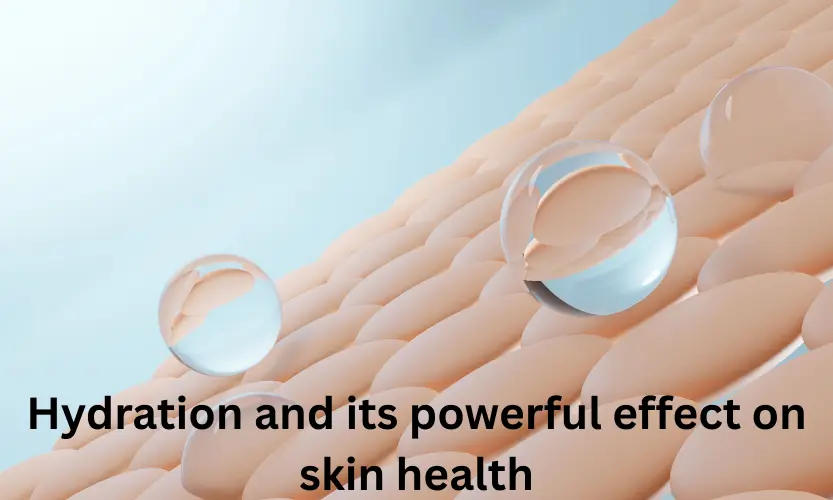
One of the most overlooked yet powerful habits for better skin is simply staying hydrated. Water plays a critical role in nearly every function of the body, including maintaining healthy skin cells. When your body receives enough water throughout the day, it helps maintain proper circulation and allows nutrients to travel efficiently to skin tissues. Hydration also helps flush toxins out of the body, which can reduce the chances of dull or tired looking skin. When skin cells are well hydrated they appear fuller and smoother, creating that natural healthy glow many people want.
Practical ways to stay hydrated every day
Many people struggle with drinking enough water simply because they forget or become busy during the day. A helpful strategy is to keep a water bottle nearby and take small sips regularly rather than waiting until you feel very thirsty. Adding naturally hydrating foods to your meals can also make a difference. Fruits and vegetables such as cucumbers, oranges, strawberries, and watermelon contain high water content and provide additional vitamins that support skin health. Over time these small hydration habits can significantly improve how fresh and vibrant your skin appears.
Essential vitamins that support radiant skin
Vitamin C and skin brightness
Vitamin C is one of the most important nutrients when it comes to skin health. It supports the production of collagen, a protein that helps keep the skin firm, smooth, and youthful looking. Collagen acts like a structural support system for the skin, helping it maintain elasticity and strength. Without enough vitamin C the body may struggle to maintain this structure, which can contribute to dullness or uneven skin tone. Foods such as citrus fruits, strawberries, bell peppers, kiwi, and broccoli are rich in vitamin C and can easily be included in everyday meals to support healthier skin.
Vitamin E and skin protection
Vitamin E is another key nutrient known for its protective properties. It functions as an antioxidant that helps defend skin cells against damage caused by environmental factors like pollution and sunlight. When your diet includes foods that provide vitamin E, your skin receives additional support in maintaining softness and moisture balance. Nuts, seeds, spinach, and vegetable oils are excellent sources of this vitamin and can be incorporated into snacks or meals to help strengthen skin health from the inside.
Vitamin A and skin renewal
Vitamin A plays a crucial role in the process of skin cell renewal. This vitamin encourages the body to replace old skin cells with new ones, which helps maintain a fresher and brighter complexion. When the skin renewal process works efficiently, it reduces the appearance of dullness and supports a smoother surface. Natural sources of vitamin A include carrots, sweet potatoes, leafy greens, and pumpkin. These foods not only support skin health but also provide additional nutrients that benefit the body overall.
Antioxidants and their role in skin protection
Fighting daily environmental stress
Your skin faces many challenges every single day including pollution, sunlight, and environmental toxins. These factors can lead to the formation of free radicals, unstable molecules that can damage skin cells and contribute to premature aging. Antioxidants are compounds found in many natural foods that help neutralize these harmful molecules and protect the body from oxidative stress. When your diet contains plenty of antioxidant rich foods, your skin gains an additional layer of protection that supports long term health and glow.
Colorful foods that provide antioxidants
One simple way to increase antioxidant intake is to include a wide variety of colorful fruits and vegetables in your meals. Berries such as blueberries and strawberries contain powerful antioxidants that support skin health. Tomatoes provide compounds that help protect skin from environmental damage, while leafy greens offer a combination of vitamins and minerals that strengthen overall skin function. Even foods like green tea and dark chocolate in moderate amounts contain antioxidants that contribute to a healthier complexion.
Healthy fats and their impact on skin texture
Why fats are important for skin moisture
For a long time many people believed that eating fat automatically led to unhealthy outcomes, but modern nutrition research shows that healthy fats are essential for the body. These fats play a major role in maintaining the skin barrier, which is the protective layer that helps keep moisture inside the skin while blocking harmful irritants from entering. Without enough healthy fats in the diet, skin may become dry, rough, or less flexible.
Natural sources of beneficial fats
Healthy fats can easily be included in everyday meals without complicated meal planning. Foods such as avocados, nuts, seeds, olive oil, and fatty fish like salmon provide omega fatty acids that help nourish the skin and maintain its smooth texture. These fats also support overall health by assisting with nutrient absorption and maintaining balanced cell function throughout the body.
Protein as a foundation for skin repair
The role of protein in skin structure
Protein is another important nutrient that supports skin health in several ways. The skin relies on proteins such as collagen and elastin to maintain its structure and resilience. These proteins help the skin remain firm while allowing it to stretch and move naturally. Consuming adequate protein ensures that the body has the amino acids needed to repair damaged skin cells and support continuous renewal.
Easy protein choices for everyday meals
Including protein in meals does not require complicated cooking or special diets. Simple options like eggs, beans, lentils, yogurt, fish, chicken, and tofu provide valuable protein that supports both skin and overall health. When protein is combined with vegetables and healthy fats in balanced meals, it creates a strong nutritional foundation for healthier skin.
The connection between gut health and skin appearance
Understanding the gut skin relationship
Many people do not realize how closely digestive health and skin health are connected. The digestive system is responsible for breaking down food and absorbing nutrients that the body needs. When the gut is functioning properly, vitamins and minerals can be delivered efficiently to skin cells. However, when digestion becomes imbalanced, the body may struggle to absorb these nutrients effectively, which can influence the appearance of the skin.
Supporting digestion through food
Certain foods are known for supporting digestive balance and promoting beneficial bacteria in the gut. Fermented foods such as yogurt, kefir, and fermented vegetables introduce helpful microorganisms that assist digestion and nutrient absorption. Whole foods that contain fiber such as fruits, vegetables, and whole grains also contribute to digestive health and indirectly support clearer, healthier skin.
Reducing excessive sugar for clearer skin
How sugar influences skin aging
Excessive sugar consumption can affect the skin through a process known as glycation. During this process sugar molecules attach to proteins such as collagen and elastin, weakening their structure and reducing their ability to keep the skin firm and flexible. Over time this may contribute to dullness and visible signs of aging.
Creating a balanced approach to sweetness
This does not mean that all sweet foods must be eliminated from your diet. Instead it is helpful to focus on balance and choose natural sources of sweetness such as fruits. Fruits provide fiber, vitamins, and antioxidants that nourish the body while satisfying sweet cravings in a healthier way.
Everyday foods that support natural skin radiance
Building glow friendly meals
Certain foods naturally contain combinations of nutrients that benefit skin health. Including these foods regularly in meals can gradually support a brighter and more balanced complexion. Berries provide antioxidants that help protect skin cells, avocados offer healthy fats that maintain moisture balance, and leafy greens deliver vitamins that support cell renewal. Tomatoes contain beneficial compounds that assist with skin protection, while nuts and seeds provide essential fatty acids that keep the skin smooth and nourished.
Lifestyle habits that work together with good nutrition
The importance of quality sleep
Nutrition is incredibly important for glowing skin, but it works best when combined with healthy lifestyle habits. Sleep plays a critical role in the body’s ability to repair and regenerate tissues. During sleep the body restores energy and supports the renewal of skin cells. When sleep is consistently disrupted or insufficient, the skin may appear dull or tired.
Managing stress for healthier skin
Stress is another factor that can influence skin health. When the body experiences stress it releases hormones that may trigger inflammation or disrupt natural balance. Practicing relaxation techniques such as light exercise, breathing exercises, or quiet moments of rest can support both mental well being and skin health.
The value of consistent habits
Healthy skin rarely comes from quick fixes or temporary routines. Instead it develops through consistent daily habits that support the body over time. Eating balanced meals, drinking enough water, sleeping well, and managing stress create a supportive environment that allows your skin to thrive naturally.
Conclusion
Achieving naturally radiant skin does not require complicated diets or expensive beauty treatments. In reality it often comes down to simple, consistent habits that nourish the body every day. By focusing on hydration, balanced meals rich in vitamins and antioxidants, healthy fats that support moisture, and proteins that repair skin tissues, you create a strong foundation for healthier looking skin. Improvements may not appear overnight, but with patience and regular care your skin can gradually become brighter, smoother, and more vibrant. The journey toward healthier skin is really about caring for your body as a whole and making mindful choices that support long term wellness. When you approach nutrition with this balanced mindset, your skin has the opportunity to reflect that care with a natural glow. These small daily habits truly highlight the power of Nutrition tips for glowing skin.
FAQs
How does nutrition affect skin glow
Good nutrition provides vitamins, antioxidants, and healthy fats that support skin repair, hydration, and collagen production. When the body gets the right nutrients, skin often appears brighter and healthier.
Which foods help improve skin brightness
Foods rich in vitamin C, vitamin E, and antioxidants like citrus fruits, berries, nuts, leafy greens, and avocados help protect skin cells and promote a natural glow.
Does drinking water improve skin appearance
Yes, proper hydration helps maintain skin elasticity and reduces dryness. Drinking enough water supports detoxification and helps the skin look fresher and more radiant.
Are healthy fats important for glowing skin
Healthy fats from foods like nuts, seeds, olive oil, and fatty fish help keep the skin moisturized and support the skin barrier, which contributes to a smooth glow.
How long does it take for diet changes to affect skin
Skin renewal takes time, so noticeable improvements usually appear after consistently following healthy nutrition habits for several weeks. Consistency is key for lasting results.