

Starting a strength training journey can feel intimidating, especially when you’re a beginner. You walk into a gym or even set up a small corner at home to lift weights, and suddenly it feels like everyone knows what they’re doing except you. You see racks of dumbbells, benches, and machines, and it’s easy to feel overwhelmed. Maybe you’ve tried working out before but felt lost, frustrated, or burned out. The truth is, strength training isn’t about lifting the heaviest weight right away or competing with anyone else. It’s about creating a plan that fits your body, your schedule, and your goals, and progressing consistently over time. It’s about building confidence, improving your health, and seeing real, noticeable results without unnecessary pressure. This strength training fitness guide is designed to break it all down in a simple, friendly way, walking you through everything from exercises to nutrition, safety, and mental benefits, so you can start your journey feeling prepared, motivated, and empowered.
Real talk: Why strength training matters
Strength training is often misunderstood as being just about big muscles or bodybuilding, but here’s the deal—it’s so much more than that. Lifting weights or using resistance helps strengthen bones, joints, and connective tissue, reducing the risk of injury both in the gym and in everyday life. It improves posture, balance, and coordination while increasing your metabolism, which can help with weight management even on rest days. Beyond the physical, strength training boosts mental health by reducing stress, enhancing mood, and giving you a sense of accomplishment. For beginners, understanding that strength training isn’t about extreme intensity or complicated machines is key. It’s about moving your body in ways that challenge your muscles safely and consistently, gradually building strength, endurance, and confidence.
Starting without feeling lost
One of the biggest challenges beginners face is simply knowing where to start. The trick is to focus on a handful of basic movements that target multiple muscle groups. Squats, push-ups, rows, planks, and glute bridges are excellent examples. Start with bodyweight versions before moving on to dumbbells, resistance bands, or other equipment. Prioritize proper form above all else—lifting heavier too soon is a common mistake that can lead to injury and frustration. Workouts don’t need to be long to be effective; 20–30 minutes of focused training, three times a week, can produce amazing results. Consistency is far more important than intensity in the beginning, and building the habit of showing up will set the foundation for long-term success.
Understanding muscle growth and recovery
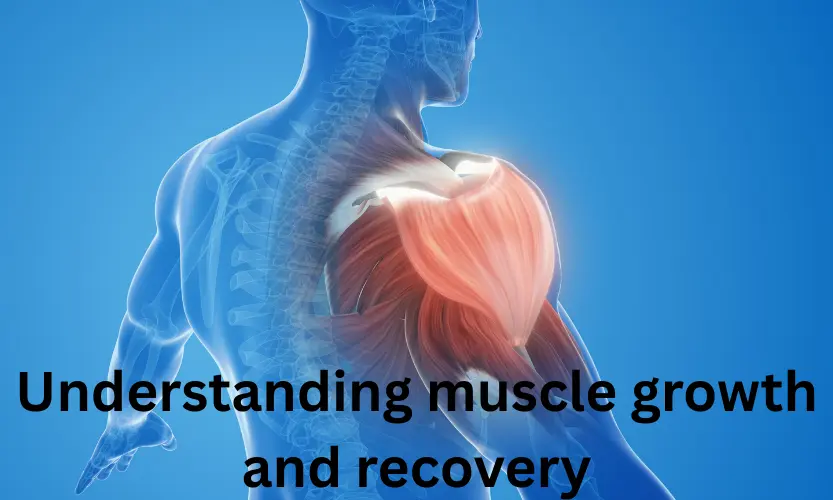
Muscle growth, or hypertrophy, happens when you challenge your muscles through resistance and then give them time to recover. This process is called progressive overload, which sounds fancy but simply means gradually increasing the weight, reps, or difficulty over time. Beginners often underestimate the importance of recovery. Muscles don’t grow while you’re lifting—they grow while you rest, fueled by good nutrition and sleep. Aim to give the same muscle group at least 48 hours of rest between sessions. Recovery isn’t a break from progress; it’s a crucial part of getting stronger safely. By understanding how your muscles respond, you’ll approach your workouts with more confidence and purpose rather than just going through the motions.
Crafting a beginner-friendly routine
Creating a structured routine can remove the guesswork and boost confidence. A solid beginner plan could include a warm-up of 5–10 minutes of light cardio or dynamic stretches, followed by a full-body workout with squats, push-ups, rows, planks, and glute bridges. Aim for 2–3 sets of 8–12 reps per exercise. End with a 5-minute cool down to stretch and improve mobility. Over time, gradually increase the challenge by adding weight, adjusting reps, or trying new variations. The key is to create a routine that feels doable, enjoyable, and sustainable, so you stick with it long enough to see real results.
Nutrition for strength and energy
Strength training isn’t just about what you do in the gym; it’s also about how you fuel your body. Muscles need protein to repair and grow, carbohydrates for energy, and healthy fats to support overall health. Beginners can simplify nutrition by focusing on balanced meals with protein at every meal, complex carbs for sustained energy, plenty of vegetables, and adequate hydration. A small post-workout snack with protein can help recovery and reduce soreness. Remember, nutrition doesn’t have to be complicated—small, consistent habits make the biggest difference over time.
Avoiding common beginner mistakes
Beginners often make similar mistakes, but being aware of them can save a lot of frustration. Lifting too heavy too soon can cause injuries and slow progress, while skipping warm-ups or cool-downs increases soreness and limits mobility. Neglecting proper form can lead to inefficient workouts and long-term problems, and ignoring rest days prevents muscles from growing. The solution is simple: focus on quality over quantity, prioritize recovery, and listen to your body. Understanding these pitfalls early helps build a strong foundation and keeps you motivated.
Tracking progress in simple ways
Tracking progress doesn’t have to be complicated. Keep a workout journal noting exercises, sets, and reps, and notice when you can lift more weight or complete more reps. Track changes in how your clothes fit, take photos, or simply pay attention to energy levels, stamina, and confidence. Small wins accumulate over time and are far more motivating than obsessing over the scale. Tracking progress helps you see improvements you might otherwise miss, keeping motivation high.
Home workouts vs. gym workouts
Both home and gym workouts have advantages. Home workouts are convenient, cost-effective, and flexible, often relying on bodyweight or minimal equipment. Gym workouts provide access to heavier weights, machines, and sometimes coaching or community support. For beginners, home workouts can be just as effective as gym sessions if structured correctly. As you progress, you may mix both approaches depending on your goals and lifestyle. The important thing is consistency and following a routine that fits your life.
Mental benefits of strength training
Strength training doesn’t just transform your body—it also transforms your mind. Regular workouts reduce stress and anxiety, improve focus and mental clarity, and boost self-esteem. The sense of accomplishment from lifting heavier, completing challenging exercises, or simply sticking to a routine builds discipline and confidence that carries over into other areas of life. Strength training empowers you to feel capable, strong, and in control of your health and fitness journey.
Staying motivated and consistent
Motivation naturally fluctuates, and beginners often struggle with consistency. Setting realistic goals, celebrating small wins, and finding a workout buddy or supportive community can help. Mixing up exercises prevents boredom, and remembering that showing up matters more than perfection helps maintain momentum. Even on low-energy days, doing a shorter, lighter session counts—every effort adds up. Consistency is the key ingredient in turning a beginner into someone who sees real results over time.
Safety tips for beginners
Safety is crucial to prevent injury and enjoy your workouts. Warm up and cool down every session, start light, and focus on proper form. Listen to your body—pain is a signal, not a badge of effort. Incorporate rest days and ensure proper hydration and nutrition. By prioritizing safety, you’ll build strength sustainably, avoid setbacks, and develop confidence in your training abilities.
Actionable beginner checklist
Choose 3–5 beginner exercises to start, commit to three sessions per week, prioritize form over weight, track progress weekly, fuel your body with protein and hydration, and allow time for recovery. Stick with these habits consistently, and you’ll see noticeable improvements in strength, energy, and overall health.
Wrapping it up: You’ve got this
Starting a strength training routine may feel overwhelming at first, but it’s completely doable with the right guidance and mindset. This strength training fitness guide is designed to give you everything you need—step-by-step routines, nutrition tips, safety advice, and motivational insights—to start your journey confidently and effectively. Focus on consistency, celebrate progress, and remember that every rep, set, and session contributes to real change. Strength training isn’t just about building muscles; it’s about building confidence, resilience, and a healthier, more empowered version of yourself. Stick with it, enjoy the journey, and trust that your efforts will pay off in ways that go beyond the mirror.
FAQs
What is a strength training fitness guide?
A strength training fitness guide is a resource that provides step-by-step instructions, workout plans, tips, and techniques to improve muscle strength and overall fitness safely.
Who can benefit from a strength training fitness guide?
Anyone looking to build muscle, improve endurance, lose fat, or boost overall physical health can benefit, whether a beginner or experienced trainer.
How often should I follow a strength training fitness guide?
Consistency is key. Most guides recommend 3–5 sessions per week, allowing muscles time to recover and grow between workouts.
Do I need special equipment for a strength training fitness guide?
Not always. Many guides include bodyweight exercises, resistance bands, or simple home equipment, though gym equipment can enhance results.
Can a strength training fitness guide help with weight loss?
Yes, strength training increases metabolism and burns calories, supporting weight loss while building lean muscle for a toned physique.