
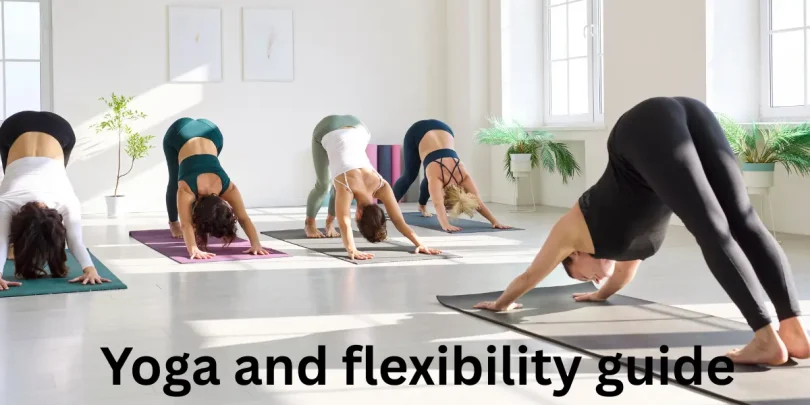

Feeling stiff, overwhelmed, or just not sure where to start? Real talk, we’ve all been there. Maybe you’ve tried touching your toes and felt like your body had other plans, or you’ve seen those yoga flows online and thought, “No way I can do that.” That’s where this Yoga and flexibility guide comes in. Think of it as a friendly roadmap to help you ease into yoga, improve your flexibility, and actually enjoy the journey without stressing about perfection. Flexibility isn’t just about bending into crazy shapes. It’s about making your everyday movements easier, preventing injuries, and even reducing stress. A flexible body moves more efficiently, feels lighter and less tense, recovers faster after workouts, and improves posture and balance. The truth is, flexibility affects almost every part of your life—from bending to pick up groceries without pulling a muscle to feeling comfortable while sitting at your desk for hours. Here’s the deal: even small stretches done consistently beat occasional deep stretches done sporadically. The goal isn’t instant contortion but steady, sustainable progress. Before jumping into advanced poses, set yourself up for success by accepting where your body is now, focusing on gentle stretches first, breathing deeply instead of forcing movement, and listening to your body—no pain, just mild tension. Flexibility is a journey, not a race. Think of yoga as a conversation with your body rather than a performance. Some days you’ll feel limber, some days stiff and rigid, and that’s perfectly normal. The key is showing up regularly and giving your body the time it needs to adapt. Every session, every stretch, no matter how small, contributes to long-term improvements.
Why Flexibility Matters More Than You Think

Flexibility improves not just your movements but your overall well-being. A flexible body moves with ease, reduces the risk of injuries, helps your muscles recover faster, improves posture, and even reduces stress levels. Many beginners underestimate the impact of consistent stretches, thinking flexibility is just about bending further. Real talk: it’s about your everyday comfort, energy levels, and feeling strong in your own body. Imagine being able to reach down to tie your shoes without wincing, twist comfortably to reach something on the counter, or move freely during workouts without feeling tight and restricted. That’s the real power of flexibility. It’s not a gimmick or a showy skill; it’s practical, functional, and life-enhancing. Improving flexibility also positively impacts other aspects of health, like breathing, circulation, and even digestion. When your body moves freely, your muscles work efficiently, your joints stay healthy, and you feel more confident in your daily movements. Developing flexibility is like giving your body permission to move naturally without strain, making everything from walking to exercising feel easier and more enjoyable.
Essential Yoga Poses for Flexibility
Here’s a friendly breakdown of beginner-friendly poses that target the major areas. Cat-Cow Stretch is great for warming up your spine, easing back tension, and prepping for other poses. Move slowly and coordinate each movement with your breath. Downward Dog stretches your hamstrings, calves, and shoulders. Don’t worry about getting your heels on the floor right away—focus on lengthening your spine and keeping your shoulders away from your ears. Seated Forward Bend targets the hamstrings and lower back. Keep your back straight as you lean forward and breathe deeply. No rushing—ease into it, and don’t worry if your hands don’t reach your feet yet. Pigeon Pose opens up your hips and relieves tension in your lower body. Use props like a folded blanket for support if needed. This pose can feel intense at first, so focus on slow breathing and letting your hips release gradually. Cobra Pose strengthens your spine and stretches your chest and abs. Keep elbows slightly bent and engage your core gently to protect your lower back. These poses are foundational and will help your body gradually become more flexible. Over time, as your body adapts, you can experiment with variations to increase the intensity safely. The key is to stay patient and consistent; flexibility grows slowly but steadily with regular practice.
Incorporating Yoga Into Your Daily Life
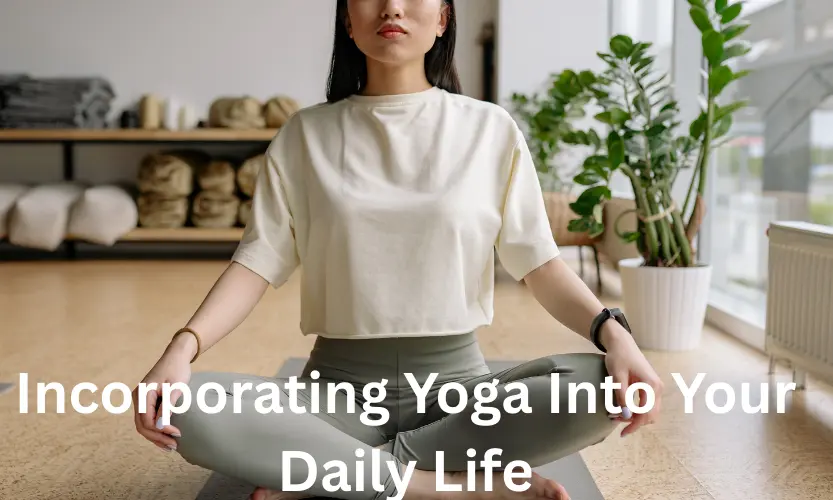
Consistency beats intensity. You don’t need hours of yoga daily to see results. Real talk: even 10–15 minutes can make a difference. Pick a regular time each day, like morning or evening, create a calm space free from distractions, start small with 2–3 poses, then expand gradually, and track your progress with notes or photos. Over time, these small sessions accumulate, and your body will naturally become more flexible and responsive. Incorporating yoga into daily life isn’t just about formal practice—it’s about creating habits that support movement. Stretch in the morning to wake up your muscles, take mini breaks at work to loosen your shoulders, and unwind in the evening with gentle poses to release tension before bed. The more you weave yoga into your day, the more natural it feels, and the easier it becomes to maintain a flexible body long term. Beginners often struggle with stiffness, impatience, or comparing themselves to others, but that’s completely normal. Yoga is personal. Your only competition is yourself. Celebrate progress, not perfection, and recognize that every little improvement counts.
Breathing and Mindfulness in Yoga
Breathing deeply while stretching is a game-changer. It helps release muscle tension and allows you to go deeper into poses safely. Inhale as you lengthen, exhale as you deepen. This mindful approach makes yoga more effective and reduces the risk of injury. Mindfulness also helps you tune into your body’s limits and avoid pushing too far, which is especially important for beginners. Pairing stretches with focus and calm breathing helps your body relax, your mind focus, and your flexibility improve steadily over time. Even a short breathing exercise before or after your yoga session can make a noticeable difference in how your muscles respond. It also improves circulation, oxygenates your body, and helps you feel calmer and more present.
Tracking Your Progress and Staying Motivated
Tracking small wins keeps motivation alive. Keep notes of poses you can now hold longer, stretches that feel easier, or milestones like touching your toes. Celebrate progress rather than focusing on limits. Motivation can be tricky, but keeping sessions short, frequent, and consistent helps. Finding a yoga buddy or joining an online community can also provide accountability and encouragement. Progress might feel slow at times, but even small changes compound over weeks and months. Look back at your starting point occasionally—it’s amazing how far you’ll come without realizing it day by day.
Common Beginner Mistakes to Avoid
Avoid skipping warm-ups, pushing too hard, ignoring proper alignment, or comparing yourself to others. Flexibility develops over time. Listen to your body—mild stretch is good, sharp pain is a warning. Use props like yoga blocks, straps, and cushions to make poses accessible and safe. Patience and consistency are your best allies. Beginners often think more intensity equals faster results, but real flexibility comes from mindful practice, not forcing your body into uncomfortable positions. Remember: the journey is more important than the destination.
Creating a Simple Beginner Routine
Here’s a simple routine: start with Cat-Cow for 1–2 minutes, then Downward Dog, Seated Forward Bend, Pigeon Pose, Cobra Pose, and finish with gentle side stretches or spinal twists. Practice 10–20 minutes per session and gradually increase as flexibility improves. Even short, consistent routines lead to noticeable improvements in posture, mobility, and comfort in daily activities. The key is to listen to your body, breathe deeply, and adjust intensity based on your comfort level. You can repeat this routine daily or alternate days depending on your schedule and energy levels.
Conclusion
Building flexibility takes time, patience, and consistency. Stick with it, celebrate progress, and don’t stress about perfection. This Yoga and flexibility guide is here to remind you that every stretch counts and every practice brings you closer to a more limber, stronger, and balanced body. Keep going—you’ve got this! Small daily efforts compound into big improvements over time, and soon enough, you’ll notice your body moving with more ease, strength, and confidence than ever before.
FAQs
What is the best way to start improving flexibility with yoga?
Begin with gentle stretches and basic poses like cat-cow, downward dog, and seated forward bends. Consistency is key for safe improvement.
How often should I practice yoga to increase flexibility?
Practicing yoga three to five times a week, even for short sessions, can steadily improve flexibility and reduce muscle tension.
Can beginners really see results in flexibility through yoga?
Yes, even beginners can notice improvements within weeks if they practice safely, focus on proper alignment, and stay consistent.
Are there specific yoga poses that help flexibility the most?
Poses like downward dog, cobra, pigeon, and forward bends are particularly effective for increasing flexibility in major muscle groups.
Is it safe to stretch to my limits every session?
No, pushing too hard can cause injuries. Stretch gently, listen to your body, and gradually increase range over time for safe progress.