

Introduction
Wellness is more than just being free from illness. It is a holistic approach to living that focuses on maintaining physical, mental, emotional, and social well-being. In today’s fast-paced world, many people struggle with stress, unhealthy eating habits, lack of exercise, poor sleep, and digital overload. These challenges can negatively affect overall health and quality of life.
The good news is that wellness does not require drastic lifestyle changes. Small, consistent improvements in daily habits can create significant long-term benefits. Whether you are looking to boost your energy levels, improve your mental clarity, strengthen your immune system, or simply feel better each day, adopting healthy wellness practices can help you achieve your goals.
For beginners, wellness may seem overwhelming because of the vast amount of information available online. However, the foundation of wellness is surprisingly simple. It involves eating nutritious foods, staying active, managing stress, getting enough sleep, maintaining positive relationships, and caring for your mental health.
This comprehensive guide will walk you through everything you need to know about wellness tips for beginners. You will learn what wellness means, why it matters, practical steps to improve your well-being, common mistakes to avoid, and expert recommendations that can help you create a healthier and more balanced lifestyle.
What is Wellness Tips?
Wellness tips are practical recommendations and healthy habits designed to improve overall well-being. These tips focus on different aspects of health, including physical fitness, nutrition, mental health, emotional stability, social connections, and personal growth. Unlike short-term health fixes, wellness practices encourage sustainable lifestyle improvements that support long-term health and happiness.
Wellness is often viewed as an active process rather than a destination. It requires conscious decisions and daily actions that contribute to a healthier life. Wellness tips help individuals identify areas where improvements can be made and provide guidance on how to develop positive habits. Examples include drinking more water, exercising regularly, practicing mindfulness, eating balanced meals, and maintaining healthy sleep patterns.
The concept of wellness recognizes that all areas of life are interconnected. Poor sleep can affect mood, stress can impact physical health, and unhealthy eating can reduce energy levels. By following wellness tips consistently, individuals can create a balanced lifestyle that promotes both physical and mental well-being while reducing the risk of chronic health issues.
Why is Wellness Tips Important?
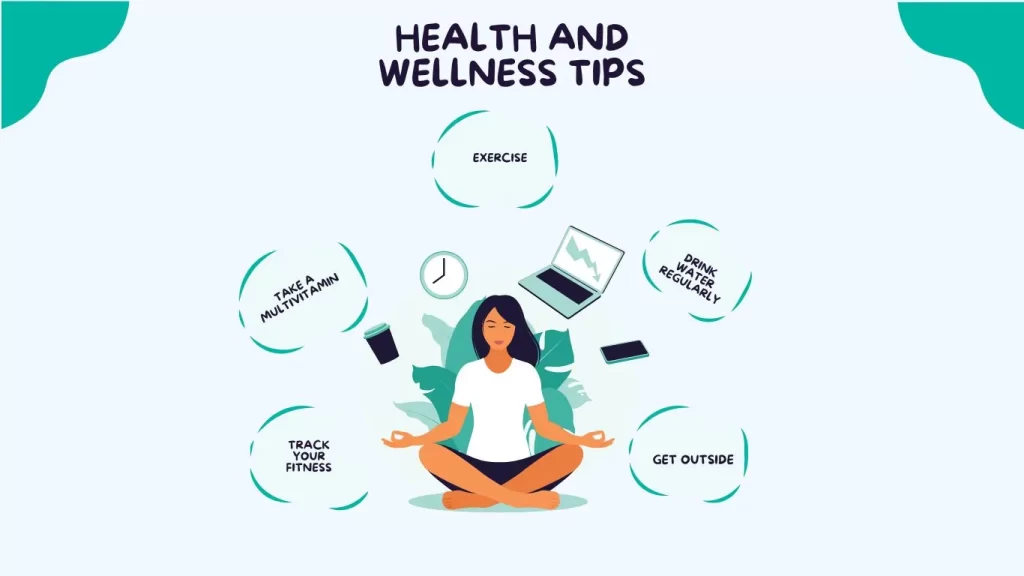
Wellness tips are important because they provide a roadmap for achieving better health and preventing lifestyle-related diseases. Modern lifestyles often involve prolonged sitting, processed foods, high stress levels, and insufficient sleep. These factors can contribute to obesity, heart disease, diabetes, anxiety, and depression. Wellness practices help counter these risks by encouraging healthier daily choices.
Additionally, wellness improves overall quality of life. People who prioritize wellness often experience higher energy levels, better concentration, improved mood, stronger immune function, and greater emotional resilience. Wellness habits also help individuals manage stress more effectively, maintain healthy relationships, and achieve a better work-life balance.
The importance of wellness extends beyond physical health. Mental and emotional well-being play a crucial role in personal and professional success. By incorporating wellness tips into daily routines, individuals can enhance productivity, build confidence, and enjoy a more fulfilling and meaningful life. Consistent wellness practices create a strong foundation for long-term happiness and overall health.
Detailed Step-by-Step Guide
Step 1: Start Your Day with Hydration
Water is essential for every function in the body. Begin each morning by drinking a glass of water to rehydrate after sleep. Proper hydration supports digestion, circulation, brain function, and energy production.
Aim to drink sufficient water throughout the day. Carry a reusable water bottle to make hydration more convenient and track your intake regularly.
Step 2: Eat a Balanced Diet
Nutrition is a cornerstone of wellness. Focus on consuming a variety of whole foods, including fruits, vegetables, lean proteins, whole grains, healthy fats, nuts, and seeds.
Avoid excessive consumption of processed foods, sugary beverages, and unhealthy snacks. Balanced meals provide the nutrients necessary for optimal physical and mental performance.
Step 3: Engage in Regular Physical Activity
Exercise strengthens muscles, improves cardiovascular health, enhances mood, and boosts energy levels. Beginners should start with manageable activities such as walking, cycling, swimming, or light strength training.
Aim for at least 30 minutes of moderate activity most days of the week. Consistency is more important than intensity when building an exercise routine.
Step 4: Prioritize Quality Sleep
Sleep is essential for recovery and overall wellness. Adults should aim for seven to nine hours of sleep per night.
Create a consistent bedtime schedule, limit screen exposure before bed, and maintain a comfortable sleeping environment to improve sleep quality.
Step 5: Practice Stress Management
Chronic stress can negatively impact physical and mental health. Incorporate stress-reduction techniques such as meditation, deep breathing exercises, journaling, yoga, or spending time in nature.
Taking short breaks throughout the day can also help reduce stress and improve focus.
Step 6: Support Mental Health
Mental wellness is equally important as physical health. Spend time doing activities you enjoy, maintain realistic expectations, and seek support when needed.
Practicing gratitude, positive thinking, and self-reflection can improve emotional resilience and overall happiness.
Step 7: Build Healthy Relationships
Strong social connections contribute significantly to wellness. Spend time with family, friends, and supportive individuals who encourage positive growth.
Healthy relationships provide emotional support, reduce stress, and improve overall life satisfaction.
Step 8: Limit Harmful Habits
Avoid smoking, excessive alcohol consumption, and other unhealthy behaviors that may negatively affect your health.
Replacing harmful habits with positive alternatives can significantly improve long-term wellness outcomes.
Step 9: Manage Screen Time
Excessive screen usage can affect sleep, productivity, and mental health. Set boundaries around technology use and schedule regular digital breaks.
Engaging in offline activities such as reading, exercising, or spending time outdoors can help maintain balance.
Step 10: Continue Learning and Growing
Personal development is an important part of wellness. Read books, learn new skills, set goals, and challenge yourself regularly.
Continuous growth contributes to self-confidence, mental stimulation, and a sense of purpose.
Benefits of Wellness Tips
- Improved physical health and fitness
- Increased energy levels throughout the day
- Better mental clarity and concentration
- Stronger immune system function
- Enhanced emotional well-being
- Reduced stress and anxiety
- Better sleep quality
- Healthier weight management
- Improved cardiovascular health
- Greater self-confidence
- Stronger relationships and social connections
- Increased productivity and performance
- Reduced risk of chronic diseases
- Better work-life balance
- Higher overall quality of life
Disadvantages / Risks
- Initial lifestyle adjustments may feel challenging
- Building new habits requires consistency and patience
- Some wellness activities may require time commitments
- Over-focusing on wellness can create unnecessary pressure
- Following misinformation can lead to ineffective practices
- Unrealistic expectations may cause disappointment
- Excessive exercise without guidance can lead to injuries
- Restrictive diets may result in nutritional deficiencies
- Wellness products can sometimes be costly
- Progress may be gradual rather than immediate
Common Mistakes to Avoid
Many beginners attempt to change everything at once. This often leads to burnout and frustration. Instead, focus on one or two habits at a time and gradually build a sustainable wellness routine. Small changes are more likely to become permanent behaviors than drastic lifestyle overhauls.
Another common mistake is comparing personal progress with others. Everyone has different health goals, genetics, lifestyles, and challenges. Wellness is a personal journey, and success should be measured based on individual improvement rather than external comparisons.
Neglecting sleep is another frequent error. Some people prioritize exercise and nutrition while overlooking the importance of rest and recovery. Quality sleep supports physical repair, cognitive function, hormone regulation, and emotional health.
Many individuals also underestimate the importance of mental wellness. Physical health alone does not guarantee overall well-being. Managing stress, practicing mindfulness, and maintaining healthy relationships are equally important aspects of a balanced lifestyle.
Finally, inconsistency can limit results. Wellness benefits accumulate over time, and occasional healthy choices are less effective than consistent habits. Creating realistic routines and maintaining them regularly is key to achieving lasting improvements.
FAQs
1. What is the first step toward better wellness?
The first step is identifying one healthy habit you can consistently practice. This may include drinking more water, taking daily walks, improving sleep, or eating more vegetables.
2. How long does it take to see results from wellness habits?
Results vary depending on the individual and the habits being adopted. Some benefits, such as improved energy and mood, may appear within days, while long-term health improvements can take several weeks or months.
3. Is wellness only about physical health?
No. Wellness includes physical, mental, emotional, social, and sometimes spiritual well-being. A comprehensive approach addresses all aspects of a healthy lifestyle.
4. How much exercise is recommended for beginners?
Most health experts recommend at least 150 minutes of moderate physical activity per week. Beginners can start with shorter sessions and gradually increase duration and intensity.
5. Why is sleep important for wellness?
Sleep supports recovery, immune function, memory, mood regulation, and overall health. Insufficient sleep can negatively affect both physical and mental well-being.
6. Can wellness improve mental health?
Yes. Regular exercise, proper nutrition, quality sleep, stress management, and positive social interactions can significantly improve mental health and emotional resilience.
7. Are wellness routines expensive?
Not necessarily. Many effective wellness practices such as walking, drinking water, sleeping adequately, practicing mindfulness, and spending time outdoors cost little or nothing.
8. How can I stay motivated to maintain wellness habits?
Set realistic goals, track your progress, celebrate small achievements, and focus on consistency rather than perfection. Building habits gradually increases long-term success.
Expert Tips & Bonus Points
Start with micro-habits instead of major lifestyle changes. Drinking one extra glass of water, taking a ten-minute walk, or going to bed fifteen minutes earlier can create momentum for larger improvements.
Use habit stacking to make wellness easier. Connect a new habit with an existing one. For example, practice gratitude while drinking your morning coffee or stretch after brushing your teeth.
Prepare healthy meals in advance to reduce reliance on unhealthy convenience foods. Meal planning can improve nutrition and save time during busy days.
Schedule wellness activities on your calendar. Treat exercise, meditation, and self-care like important appointments to increase consistency and accountability.
Spend time outdoors whenever possible. Exposure to natural environments can reduce stress, improve mood, and enhance overall mental well-being.
Track your progress through journaling or wellness apps. Monitoring habits can help identify patterns, celebrate achievements, and maintain motivation.
Remember that wellness is a lifelong journey. Focus on sustainable habits that fit your lifestyle rather than pursuing perfection or unrealistic standards.
Conclusion
Wellness is a comprehensive approach to living a healthier, happier, and more balanced life. It encompasses physical health, mental well-being, emotional resilience, social connections, and personal growth. While the concept of wellness may seem complex, the foundation is built on simple daily habits that anyone can adopt regardless of age or experience level.
The journey toward better wellness begins with small, consistent actions. Drinking enough water, eating nutritious foods, staying physically active, managing stress, getting quality sleep, and maintaining positive relationships can significantly improve overall well-being. These habits work together to support long-term health and reduce the risk of various physical and mental health challenges.
It is important to remember that wellness is not about achieving perfection. Progress matters more than perfection, and every positive step contributes to a healthier future. By focusing on sustainable habits and making gradual improvements, beginners can create lasting changes that enhance their quality of life.
Ultimately, wellness is an investment in yourself. The time and effort spent developing healthy habits can lead to increased energy, improved happiness, better productivity, and greater overall satisfaction. Start small, stay consistent, and embrace wellness as an ongoing journey toward a healthier and more fulfilling life.