

Introduction
Healthy eating is one of the most important habits a person can develop for long-term health and well-being. The food we eat provides our bodies with the nutrients needed to function properly, maintain energy levels, support growth, and protect against illness. In today’s fast-paced world, many people rely on processed foods, sugary snacks, and fast meals that may be convenient but often lack essential nutrients.
For beginners, healthy eating can seem complicated. With so much information available about diets, superfoods, calories, carbohydrates, fats, and proteins, it is easy to feel overwhelmed. However, healthy eating does not require strict dieting or giving up your favorite foods completely. Instead, it involves making balanced food choices that nourish your body while allowing flexibility and enjoyment.
A healthy eating lifestyle focuses on consuming a variety of nutrient-rich foods, including fruits, vegetables, whole grains, lean proteins, and healthy fats. It also emphasizes portion control, hydration, and mindful eating habits. Small improvements in daily food choices can lead to significant health benefits over time.
This comprehensive guide is designed specifically for beginners who want to understand healthy eating and implement practical strategies for long-term success. By following the advice outlined in this article, you can build sustainable eating habits that support your physical and mental health while improving your overall quality of life.
What is Healthy Eating?
Healthy eating refers to consuming a balanced variety of foods that provide the nutrients your body needs to function effectively. These nutrients include carbohydrates, proteins, fats, vitamins, minerals, fiber, and water. The goal is to meet your nutritional needs while maintaining a healthy weight and reducing the risk of chronic diseases.
Rather than following restrictive diets, healthy eating focuses on creating a balanced relationship with food. It encourages choosing nutrient-dense foods more often while limiting highly processed items that contain excessive sugar, sodium, and unhealthy fats. Healthy eating also includes understanding portion sizes and eating according to your body’s hunger and fullness signals.
At its core, healthy eating is a lifestyle rather than a temporary solution. It supports physical health, mental well-being, and overall energy levels. By consistently making better food choices, individuals can achieve long-term health benefits and enjoy a more active and fulfilling life.
Why is Healthy Eating Important?
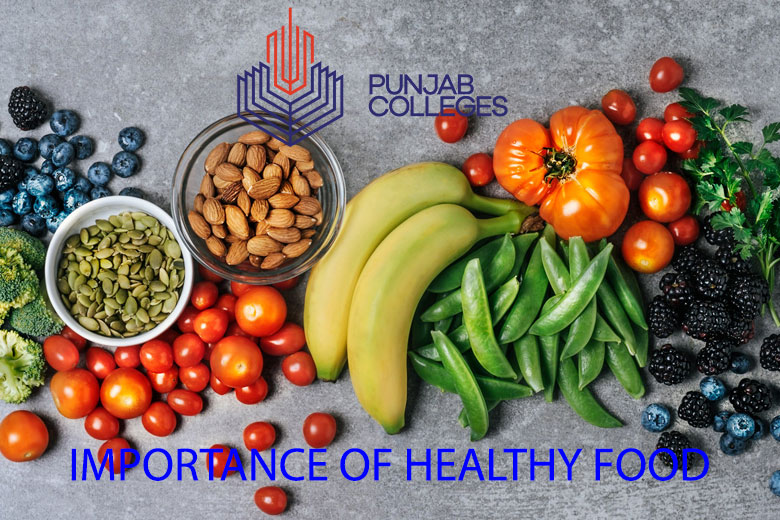
Healthy eating plays a crucial role in maintaining overall health and preventing many common health problems. The nutrients obtained from food help the body perform essential functions, repair tissues, support the immune system, and produce energy for daily activities.
Poor dietary habits can contribute to obesity, heart disease, type 2 diabetes, high blood pressure, and certain cancers. In contrast, a balanced diet can reduce these risks while improving physical performance, mental clarity, and emotional well-being. Healthy eating also supports proper digestion, stronger bones, healthier skin, and better sleep quality.
Additionally, healthy eating can positively impact mental health. Research shows that nutritious diets are associated with improved mood, reduced stress levels, and better cognitive function. For beginners, adopting healthy eating habits is one of the most effective investments they can make in their future health and happiness.
Step-by-Step Guide to Healthy Eating
Step 1: Understand Basic Nutrition
Before making dietary changes, it is important to understand the major nutrients your body needs.
Carbohydrates: The body’s primary source of energy. Choose whole grains, fruits, and vegetables.
Proteins: Essential for muscle repair and growth. Sources include fish, poultry, eggs, beans, and dairy products.
Healthy Fats: Support brain function and hormone production. Found in nuts, seeds, avocados, and olive oil.
Vitamins and Minerals: Important for overall body functions and disease prevention.
Fiber: Supports digestive health and helps maintain fullness.
Step 2: Fill Half Your Plate with Fruits and Vegetables
Fruits and vegetables provide vitamins, minerals, antioxidants, and fiber. Aim to include a variety of colors in your meals because different colors often indicate different nutrients.
Examples include:
- Spinach
- Broccoli
- Carrots
- Tomatoes
- Apples
- Oranges
- Berries
- Bananas
Fresh, frozen, and minimally processed options can all contribute to a healthy diet.
Step 3: Choose Whole Grains
Whole grains contain more nutrients and fiber than refined grains. They help regulate blood sugar levels and support digestive health.
Examples include:
- Brown rice
- Oats
- Whole wheat bread
- Quinoa
- Barley
- Whole grain pasta
Replacing refined grains with whole grains is a simple but effective dietary improvement.
Step 4: Include Lean Protein Sources
Protein helps maintain muscle mass, supports immune function, and promotes satiety.
Good protein sources include:
- Chicken breast
- Turkey
- Fish
- Eggs
- Greek yogurt
- Lentils
- Beans
- Tofu
Try to include a protein source in every meal.
Step 5: Consume Healthy Fats
Many people mistakenly avoid all fats. However, healthy fats are essential for good health.
Healthy fat sources include:
- Avocados
- Almonds
- Walnuts
- Chia seeds
- Flaxseeds
- Olive oil
- Fatty fish
Limit trans fats and excessive saturated fats found in highly processed foods.
Step 6: Stay Hydrated
Water is essential for nearly every bodily function. Proper hydration supports digestion, circulation, temperature regulation, and energy levels.
Tips for staying hydrated:
- Drink water throughout the day.
- Carry a reusable water bottle.
- Limit sugary beverages.
- Consume water-rich fruits and vegetables.
Most adults benefit from drinking sufficient water daily based on activity levels and climate conditions.
Step 7: Practice Portion Control
Eating healthy foods is important, but portion size also matters.
Portion control strategies include:
- Use smaller plates.
- Eat slowly.
- Avoid eating directly from large packages.
- Pay attention to hunger and fullness cues.
Mindful eating helps prevent overeating and promotes better digestion.
Step 8: Limit Added Sugars
Excess sugar consumption can contribute to weight gain and various health issues.
Common sources of added sugar include:
- Soft drinks
- Candy
- Pastries
- Sweetened cereals
- Flavored coffee drinks
Choose naturally sweet foods such as fruits whenever possible.
Step 9: Reduce Processed Foods
Highly processed foods often contain excess sodium, sugar, and unhealthy fats.
Try to reduce:
- Fast food
- Packaged snacks
- Sugary drinks
- Processed meats
- Instant meals
Focus on whole foods whenever possible.
Step 10: Plan Your Meals
Meal planning helps maintain healthy eating habits and reduces impulsive food choices.
Simple meal planning steps:
- Create a weekly menu.
- Prepare ingredients in advance.
- Make a grocery list.
- Keep healthy snacks available.
Planning ahead increases the likelihood of making nutritious choices.
Step 11: Eat Mindfully
Mindful eating involves paying attention to your eating experience without distractions.
Practice mindful eating by:
- Eating slowly.
- Savoring flavors.
- Chewing thoroughly.
- Avoiding screens during meals.
- Listening to hunger signals.
This habit can improve digestion and satisfaction.
Step 12: Build Consistency
Healthy eating is not about perfection. Long-term success comes from consistency rather than occasional strict dieting.
Focus on making gradual improvements and maintaining sustainable habits that fit your lifestyle.
Benefits of Healthy Eating
- Improves overall health and wellness
- Supports healthy weight management
- Increases daily energy levels
- Strengthens the immune system
- Promotes heart health
- Helps regulate blood sugar levels
- Improves digestive function
- Supports stronger bones and muscles
- Enhances mental clarity and concentration
- Improves mood and emotional well-being
- Reduces the risk of chronic diseases
- Promotes healthy aging
- Supports better sleep quality
- Improves skin health and appearance
- Encourages long-term healthy habits
Disadvantages / Risks
While healthy eating offers numerous benefits, certain challenges and risks can occur if approached incorrectly.
- Excessive restriction may lead to nutrient deficiencies.
- Obsessive focus on healthy eating can create unhealthy relationships with food.
- Some healthy foods may be more expensive than processed alternatives.
- Rapid dietary changes may cause temporary digestive discomfort.
- Following unverified nutrition advice can lead to poor food choices.
- Eliminating entire food groups without medical guidance may affect health.
- Overconsumption of even healthy foods can contribute to excess calorie intake.
- Unrealistic expectations may cause frustration and inconsistency.
Common Mistakes to Avoid
Many beginners make mistakes that can slow their progress toward healthier eating habits.
One common mistake is trying to change everything at once. Drastic dietary changes are difficult to maintain and often result in burnout. Instead, focus on gradual improvements that can become permanent habits.
Another mistake is skipping meals. Many people believe skipping meals helps with weight loss, but it often leads to overeating later in the day. Consistent, balanced meals support energy levels and appetite control.
Relying heavily on processed “health foods” is another issue. Some products marketed as healthy may contain significant amounts of sugar, sodium, or unhealthy fats. Reading nutrition labels is important.
Many beginners also neglect hydration. Drinking enough water is essential for overall health and can sometimes help reduce unnecessary snacking caused by thirst.
Finally, perfectionism can be harmful. Healthy eating is about balance, not perfection. Occasional treats can fit into a healthy lifestyle without causing setbacks.
Frequently Asked Questions (FAQs)
1. What foods should I eat every day?
A healthy daily diet should include fruits, vegetables, whole grains, lean proteins, healthy fats, and adequate water. Variety is important to ensure you receive a wide range of nutrients.
2. Can I still eat my favorite foods while eating healthy?
Yes. Healthy eating does not require eliminating favorite foods entirely. Moderation and portion control allow you to enjoy treats while maintaining a balanced diet.
3. How much water should I drink daily?
Water needs vary depending on age, activity level, climate, and overall health. Most adults should drink enough water to stay hydrated throughout the day and monitor thirst as a general indicator.
4. Is healthy eating expensive?
Healthy eating can fit various budgets. Buying seasonal produce, planning meals, purchasing whole foods in bulk, and cooking at home can significantly reduce costs.
5. How long does it take to see results from healthy eating?
Some benefits, such as increased energy and improved digestion, may be noticeable within days or weeks. Long-term health improvements typically develop over months and years of consistent healthy eating.
6. Are carbohydrates bad for health?
No. Carbohydrates are an important energy source. The key is choosing complex carbohydrates such as whole grains, fruits, vegetables, and legumes rather than highly refined options.
7. Should I count calories?
Calorie awareness can be helpful for some people, but focusing on nutrient-dense foods, balanced meals, and portion control is often a more sustainable approach for beginners.
8. What is the best healthy diet?
There is no single best diet for everyone. The most effective eating pattern is one that provides balanced nutrition, fits your lifestyle, and can be maintained long term.
Expert Tips & Bonus Points
Start with one small habit at a time rather than attempting a complete dietary overhaul. Sustainable changes are more effective than short-term efforts.
Keep healthy snacks available, such as fruits, nuts, yogurt, or vegetables. Easy access to nutritious options can reduce unhealthy cravings.
Prepare meals at home more often. Home cooking provides better control over ingredients, portion sizes, and cooking methods.
Read nutrition labels carefully. Understanding ingredient lists can help you make informed food choices.
Aim for balance rather than perfection. Consistency over months and years has a much greater impact than occasional perfect eating days.
Track your progress by noting positive changes such as increased energy, improved sleep, better digestion, or enhanced mood. These indicators often provide motivation beyond weight-related goals.
Experiment with new healthy foods regularly. Expanding your food choices helps prevent boredom and improves nutrient intake.
Develop mindful eating habits by slowing down and paying attention to hunger and fullness cues. This practice can improve both satisfaction and portion control.
Conclusion
Healthy eating is one of the most powerful tools for improving overall health, increasing energy, and reducing the risk of chronic diseases. While many beginners believe healthy eating requires strict diets or complicated rules, the reality is much simpler. It involves making balanced food choices, consuming a variety of nutrient-rich foods, staying hydrated, and practicing moderation.
The journey toward healthier eating habits begins with small, consistent changes. Choosing whole grains instead of refined grains, adding more fruits and vegetables to meals, selecting lean proteins, and reducing processed foods can create meaningful improvements in health over time. These changes not only benefit physical health but also support mental well-being, productivity, and quality of life.
It is important to remember that healthy eating is a long-term lifestyle rather than a temporary diet. There will be occasions when less nutritious foods are enjoyed, and that is perfectly normal. The key is maintaining overall balance and consistency rather than striving for perfection.
By applying the strategies outlined in this guide, beginners can build sustainable eating habits that support lifelong wellness. Every healthy choice contributes to a stronger body, a healthier mind, and a better future. Start with small steps today, remain consistent, and allow healthy eating to become a natural part of your daily routine.