
Introduction
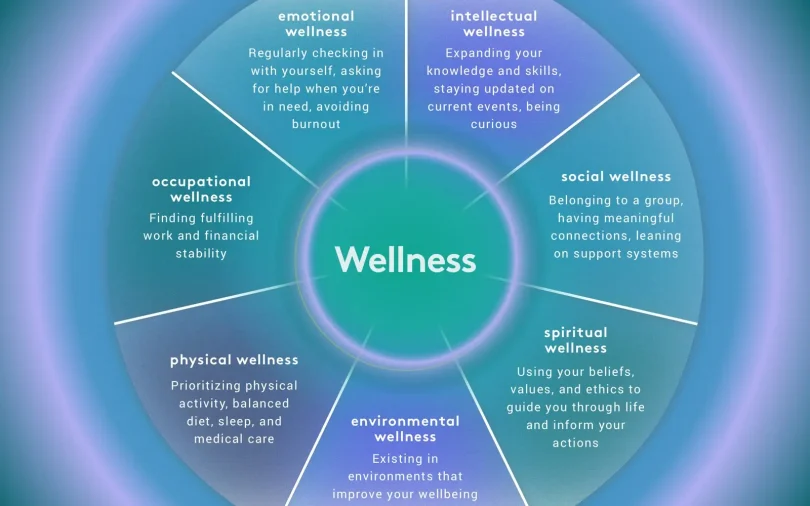
Holistic wellness is a comprehensive approach to health that focuses on the well-being of the whole person rather than addressing only physical symptoms or isolated health concerns. It recognizes that physical, mental, emotional, social, spiritual, and environmental factors are interconnected and play an essential role in overall health and happiness. Instead of concentrating solely on disease prevention or treatment, holistic wellness aims to create balance in every area of life.
In today’s fast-paced world, many people experience stress, poor sleep, unhealthy eating habits, and emotional exhaustion. These challenges can negatively impact health and quality of life. Holistic wellness offers a practical solution by encouraging healthy lifestyle choices that support both the body and mind. It promotes long-term well-being through sustainable habits rather than quick fixes.
For beginners, understanding holistic wellness can be the first step toward creating a healthier and more fulfilling life. Whether your goal is to improve physical fitness, reduce stress, strengthen relationships, or achieve inner peace, holistic wellness provides a framework for personal growth and overall health improvement.
This comprehensive guide explains everything you need to know about holistic wellness, including its importance, benefits, practical steps, common mistakes, risks, expert advice, and frequently asked questions.
What is Holistic Wellness?
Holistic wellness is a lifestyle approach that considers every aspect of a person’s life when pursuing health and well-being. Rather than focusing only on physical health, it examines how emotional, mental, social, spiritual, and environmental factors contribute to overall wellness. The word “holistic” comes from the concept of treating the whole person rather than individual symptoms.
The philosophy behind holistic wellness is based on the understanding that all areas of life are connected. For example, chronic stress can affect sleep quality, poor sleep can impact physical health, and physical discomfort can influence emotional well-being. By addressing these interconnected areas, individuals can achieve greater balance and long-term health.
Holistic wellness often includes healthy eating, regular exercise, stress management, mindfulness practices, emotional awareness, meaningful relationships, and personal growth. The goal is not perfection but continuous improvement and harmony among different dimensions of life.
Why is Holistic Wellness Important?
Holistic wellness is important because health extends beyond the absence of illness. A person may be physically healthy yet struggle with anxiety, loneliness, or emotional stress. Similarly, someone with strong social connections and emotional resilience may recover more effectively from physical challenges. Holistic wellness recognizes these connections and supports complete well-being.
As modern lifestyles become increasingly demanding, many people face challenges such as burnout, poor nutrition, lack of exercise, and mental fatigue. Holistic wellness provides a balanced approach to managing these issues by encouraging healthy habits that support multiple areas of life simultaneously.
Another reason holistic wellness is important is its focus on prevention. Instead of waiting for problems to develop, individuals can take proactive steps to maintain health and improve quality of life. By nurturing physical, mental, emotional, and spiritual well-being, people often experience greater happiness, productivity, resilience, and life satisfaction.
Step-by-Step Guide to Achieving Holistic Wellness
Step 1: Assess Your Current Lifestyle
The first step toward holistic wellness is understanding your current situation. Evaluate your physical health, emotional state, relationships, stress levels, work-life balance, and daily habits. Honest self-assessment helps identify areas that need improvement.
Consider keeping a wellness journal for a few weeks. Track your eating habits, exercise routine, sleep quality, mood, and stress triggers. This information provides valuable insights into your overall well-being and highlights opportunities for positive change.
Step 2: Establish Clear Wellness Goals
Setting realistic goals helps create direction and motivation. Rather than attempting major lifestyle changes all at once, focus on small and achievable objectives.
Examples of wellness goals include improving sleep habits, exercising three times per week, practicing mindfulness daily, reducing processed foods, or spending more time with loved ones. Clear goals provide a roadmap for progress and increase the likelihood of long-term success.
Step 3: Improve Physical Health
Physical wellness forms the foundation of holistic health. Maintaining a healthy body supports mental clarity, emotional stability, and overall vitality.
Focus on balanced nutrition by consuming fruits, vegetables, whole grains, lean proteins, and healthy fats. Stay hydrated throughout the day and limit excessive sugar, alcohol, and processed foods. Regular physical activity such as walking, cycling, swimming, or strength training helps improve fitness and energy levels.
Adequate sleep is equally important. Aim for seven to nine hours of quality sleep each night to support recovery, cognitive function, and emotional health.
Step 4: Strengthen Mental Wellness
Mental wellness involves maintaining a healthy and positive mindset. It includes critical thinking, problem-solving skills, learning, and emotional resilience.
Engage in activities that stimulate your mind, such as reading books, learning new skills, solving puzzles, or pursuing educational opportunities. Limit exposure to negative influences and focus on constructive thoughts and positive self-talk.
Developing a growth mindset can help individuals view challenges as opportunities for learning and personal development.
Step 5: Manage Emotional Health
Emotional wellness focuses on understanding, expressing, and managing emotions effectively. Ignoring emotions can lead to stress, anxiety, and relationship difficulties.
Practice emotional awareness by recognizing your feelings without judgment. Journaling, meditation, and speaking with trusted friends can help process emotions in healthy ways. Learning stress management techniques such as deep breathing and relaxation exercises can improve emotional balance.
Accepting that all emotions are part of the human experience allows individuals to respond more effectively to life’s challenges.
Step 6: Build Healthy Relationships
Social wellness is a vital component of holistic health. Positive relationships provide emotional support, companionship, and a sense of belonging.
Invest time in nurturing relationships with family members, friends, colleagues, and community groups. Practice active listening, empathy, and effective communication. Surround yourself with people who encourage personal growth and positive behavior.
Strong social connections are associated with improved mental health, reduced stress, and increased happiness.
Step 7: Explore Spiritual Wellness
Spiritual wellness does not necessarily require religious beliefs. It involves finding meaning, purpose, and connection in life.
Many people cultivate spiritual wellness through meditation, prayer, mindfulness, nature walks, gratitude practices, or personal reflection. Understanding personal values and aligning actions with those values can create a greater sense of fulfillment and inner peace.
Spiritual wellness often helps individuals navigate challenges with greater resilience and perspective.
Step 8: Create a Healthy Environment
Environmental wellness focuses on creating surroundings that support health and happiness. Your environment can significantly influence mood, productivity, and stress levels.
Maintain clean living spaces, reduce clutter, improve air quality, and spend time in nature whenever possible. Limiting exposure to harmful substances and excessive noise can also contribute to better well-being.
A supportive environment encourages healthy habits and promotes a sense of calm and balance.
Step 9: Practice Mindfulness Daily
Mindfulness involves paying attention to the present moment without judgment. It helps reduce stress, improve focus, and enhance emotional awareness.
Simple mindfulness practices include mindful breathing, meditation, body scans, and conscious observation of thoughts and feelings. Even a few minutes of daily mindfulness can contribute to improved mental and emotional health.
Consistent practice often leads to greater self-awareness and a deeper appreciation for everyday experiences.
Step 10: Maintain Consistency
Holistic wellness is a lifelong journey rather than a short-term project. Sustainable success comes from consistent habits and gradual improvement.
Regularly review your goals, celebrate progress, and make adjustments when necessary. Focus on long-term growth rather than seeking immediate perfection. Small daily actions often produce the most significant results over time.
Benefits of Holistic Wellness
- Improves overall physical health
- Enhances mental clarity and focus
- Reduces stress and anxiety
- Supports emotional stability
- Strengthens the immune system
- Promotes better sleep quality
- Encourages healthy lifestyle habits
- Increases energy and productivity
- Improves self-awareness and confidence
- Enhances relationships and social connections
- Supports personal growth and development
- Creates a greater sense of purpose
- Encourages work-life balance
- Helps prevent chronic health issues
- Improves overall quality of life
Disadvantages and Risks of Holistic Wellness
- Progress may take time and patience
- Some wellness practices may lack scientific support
- Information overload can create confusion
- Certain alternative therapies may be expensive
- Unrealistic expectations may lead to disappointment
- Poor guidance can result in ineffective practices
- Excessive focus on wellness can become stressful
- Some individuals may neglect necessary medical treatment
- Maintaining consistency requires dedication
- Results vary from person to person
Common Mistakes to Avoid
Many beginners make the mistake of trying to transform every aspect of their lives at once. This approach often leads to overwhelm and burnout. Focus on one or two wellness goals initially and gradually expand your efforts as new habits become established.
Another common mistake is seeking perfection. Holistic wellness is about progress, not flawless performance. Missing a workout, experiencing stress, or making occasional unhealthy choices does not mean failure. Consistency matters more than perfection.
People also frequently ignore emotional and mental health while concentrating solely on physical wellness. True holistic wellness requires attention to all dimensions of well-being. Neglecting one area can affect overall balance and limit long-term success.
Additionally, many individuals follow trends without considering personal needs. Wellness strategies should be customized to fit individual lifestyles, preferences, and goals. What works for one person may not work for another.
FAQs
1. What are the main dimensions of holistic wellness?
The primary dimensions typically include physical, mental, emotional, social, spiritual, occupational, environmental, and sometimes financial wellness. Together, these areas contribute to overall health and life satisfaction.
2. Can holistic wellness replace medical treatment?
No. Holistic wellness should complement professional medical care rather than replace it. Medical advice and treatment remain essential for diagnosing and managing health conditions.
3. How long does it take to see results?
Results vary depending on individual goals and consistency. Some benefits, such as reduced stress and improved mood, may appear within weeks, while long-term physical and emotional improvements can take months.
4. Is holistic wellness suitable for everyone?
Yes. Holistic wellness principles can be adapted to people of all ages, backgrounds, and lifestyles. The approach is flexible and can be customized to individual needs.
5. What is the easiest way to start practicing holistic wellness?
Begin with simple habits such as drinking more water, improving sleep quality, taking daily walks, practicing gratitude, and spending time with supportive people. Small changes often lead to significant improvements over time.
6. Does holistic wellness include mental health?
Absolutely. Mental health is a core component of holistic wellness. Managing stress, maintaining a positive mindset, developing resilience, and supporting cognitive well-being are essential aspects of the approach.
7. Why is mindfulness important in holistic wellness?
Mindfulness helps individuals become more aware of their thoughts, emotions, and behaviors. It promotes stress reduction, emotional regulation, improved focus, and greater self-awareness.
8. Can holistic wellness improve work performance?
Yes. Better physical health, emotional balance, stress management, and mental clarity often lead to increased productivity, creativity, and job satisfaction.
Expert Tips and Bonus Points
Start with one habit at a time rather than making drastic lifestyle changes. Small improvements are easier to maintain and often produce better long-term results.
Prioritize sleep because it influences nearly every aspect of wellness, including physical recovery, emotional regulation, and cognitive performance. Consistent sleep habits can significantly improve overall health.
Practice gratitude daily by identifying positive experiences and achievements. Gratitude helps shift attention away from negativity and promotes emotional well-being.
Schedule wellness activities as important appointments. Whether exercising, meditating, or spending time with family, treating wellness as a priority increases consistency.
Spend time outdoors whenever possible. Nature exposure can reduce stress, improve mood, and enhance mental clarity.
Regularly evaluate your progress and adjust your goals based on changing needs and circumstances. Flexibility helps maintain motivation and supports sustainable growth.
Remember that holistic wellness is a personal journey. Focus on creating a lifestyle that aligns with your values, preferences, and long-term vision for health and happiness.
Conclusion
Holistic wellness is a powerful approach to achieving a healthier, more balanced, and more fulfilling life. By recognizing the connection between physical, mental, emotional, social, spiritual, and environmental well-being, individuals can address health from a comprehensive perspective rather than focusing on isolated issues. This integrated approach encourages sustainable habits that support long-term success and overall life satisfaction.
For beginners, the journey toward holistic wellness starts with simple and manageable steps. Improving nutrition, exercising regularly, managing stress, cultivating meaningful relationships, practicing mindfulness, and creating supportive environments can have a profound impact on overall well-being. The key is consistency, patience, and a willingness to learn and grow over time.
Although challenges and setbacks may occur, they are a natural part of personal development. Holistic wellness is not about perfection but about making conscious choices that support a healthier lifestyle. Every positive action contributes to greater balance and resilience.
By embracing holistic wellness principles and applying them consistently, individuals can enhance their quality of life, improve their health, and create a stronger foundation for future success. The journey may be ongoing, but the rewards of living a balanced and healthy life are well worth the effort.