

Introduction
Workout routines are structured exercise plans designed to help individuals achieve specific fitness goals. Whether the objective is weight loss, muscle gain, improved endurance, or overall health, following a proper workout routine provides direction and consistency. For beginners, starting a fitness journey can feel overwhelming due to the abundance of exercise options and conflicting advice available online. A well-designed workout routine removes confusion and creates a clear path toward progress.
Regular exercise has become increasingly important in modern lifestyles where many people spend long hours sitting at desks or using electronic devices. Physical activity not only improves appearance but also enhances mental well-being, energy levels, and long-term health. By following a structured workout routine, beginners can develop healthy habits that last a lifetime.
Understanding how workout routines work and how to implement them correctly is essential for achieving sustainable results. The right routine should match an individual’s fitness level, goals, and available time while allowing for gradual progression. This comprehensive guide explains everything beginners need to know about workout routines, including their importance, step-by-step implementation, benefits, risks, common mistakes, and expert recommendations to maximize success.
What is Workout Routines?
Workout routines are organized exercise schedules that specify which exercises to perform, how often to train, and how much intensity to apply during each session. Rather than exercising randomly, a workout routine provides a systematic approach to physical fitness. It includes details such as exercise selection, sets, repetitions, rest periods, and workout frequency.
A workout routine can focus on different fitness objectives, including strength training, cardiovascular endurance, flexibility improvement, fat loss, or muscle development. Some routines combine multiple fitness components to create a balanced program suitable for overall health and wellness.
For beginners, workout routines serve as roadmaps that simplify the fitness journey. Instead of guessing which exercises to perform, individuals can follow a proven structure designed to deliver consistent results. Effective workout routines gradually increase challenges over time, helping the body adapt and improve without excessive strain or injury risk.
Workout routines can be performed at home, in gyms, outdoors, or in fitness studios. The key factor is consistency and adherence to the planned schedule. By following a structured routine, beginners can build confidence, track progress, and stay motivated throughout their fitness journey.
Why is Workout Routines Important?
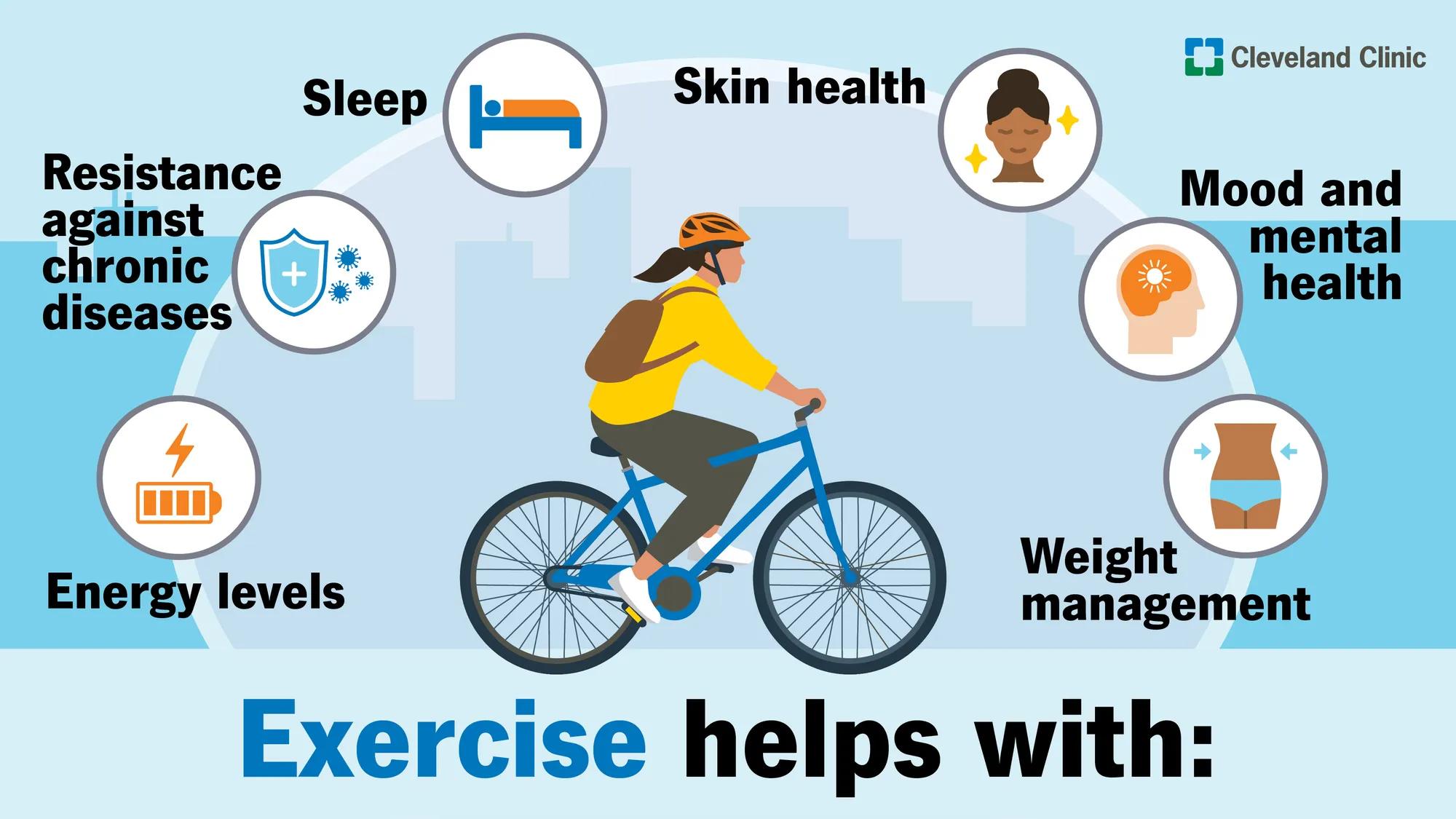
Workout routines play a critical role in achieving fitness goals because they provide structure, accountability, and measurable progress. Without a clear plan, many beginners struggle to remain consistent or perform exercises that align with their objectives. A workout routine removes uncertainty and ensures that each training session contributes toward long-term success.
Consistency is one of the primary reasons workout routines are important. When individuals follow a scheduled plan, they are more likely to develop exercise habits and maintain regular physical activity. This consistency leads to gradual improvements in strength, endurance, flexibility, and overall fitness.
Workout routines also help prevent overtraining and undertraining. By organizing exercise frequency and intensity, they allow the body sufficient time to recover while still promoting progress. Proper recovery is essential for muscle growth, injury prevention, and performance enhancement.
Another important benefit is goal tracking. Structured routines make it easier to monitor improvements and adjust training variables when necessary. Whether the goal is losing weight, gaining muscle, or increasing stamina, workout routines provide measurable benchmarks that keep individuals motivated and focused on achieving their desired outcomes.
Detailed Step-by-Step Guide
Step 1: Define Your Fitness Goals
Before beginning any workout routine, determine your primary fitness objective. Common goals include:
- Weight loss
- Muscle building
- Increased strength
- Better endurance
- Improved flexibility
- Enhanced overall health
Having a clear goal helps you select the most suitable exercises and training schedule.
Step 2: Assess Your Current Fitness Level
Evaluate your current physical condition by considering factors such as:
- Body weight
- Strength levels
- Cardiovascular endurance
- Flexibility
- Previous exercise experience
This assessment helps establish realistic expectations and prevents excessive training intensity.
Step 3: Create a Weekly Schedule
Beginners should start with three to five workout sessions per week. A balanced weekly schedule may include:
Monday: Full-body strength training
Tuesday: Light cardio
Wednesday: Rest or stretching
Thursday: Strength training
Friday: Cardio workout
Saturday: Active recovery
Sunday: Rest
A consistent schedule helps establish healthy exercise habits.
Step 4: Warm Up Properly
Warming up prepares the body for exercise and reduces injury risk. Spend 5–10 minutes performing activities such as:
- Brisk walking
- Jumping jacks
- Arm circles
- Leg swings
- Dynamic stretches
An effective warm-up increases blood flow and improves joint mobility.
Step 5: Focus on Compound Exercises
Compound exercises engage multiple muscle groups simultaneously and provide excellent results for beginners.
Examples include:
- Squats
- Push-ups
- Lunges
- Deadlifts
- Pull-ups
- Bench presses
These exercises build strength efficiently while improving coordination and balance.
Step 6: Include Cardiovascular Training
Cardio exercises improve heart health and burn calories.
Popular options include:
- Walking
- Running
- Cycling
- Swimming
- Jump rope
- Rowing
Beginners should aim for at least 150 minutes of moderate-intensity cardio weekly.
Step 7: Incorporate Flexibility Training
Stretching improves mobility, posture, and muscle recovery.
Effective flexibility exercises include:
- Hamstring stretches
- Shoulder stretches
- Yoga poses
- Hip flexor stretches
Flexibility training should be included after workouts or on recovery days.
Step 8: Apply Progressive Overload
Progressive overload involves gradually increasing exercise difficulty over time.
Methods include:
- Increasing weight
- Adding repetitions
- Performing extra sets
- Reducing rest periods
- Improving exercise technique
Progressive overload stimulates continued adaptation and growth.
Step 9: Prioritize Recovery
Recovery is essential for fitness improvement.
Recovery strategies include:
- Quality sleep
- Proper hydration
- Balanced nutrition
- Rest days
- Stretching
Allowing the body to recover prevents burnout and reduces injury risk.
Step 10: Track Progress
Monitoring performance helps maintain motivation and identify areas for improvement.
Track:
- Body measurements
- Weight changes
- Workout performance
- Strength gains
- Endurance improvements
Regular tracking ensures your routine remains effective.
Benefits of Workout Routines
- Improves cardiovascular health
- Increases muscular strength
- Enhances endurance
- Supports healthy weight management
- Boosts energy levels
- Improves flexibility and mobility
- Strengthens bones and joints
- Reduces stress and anxiety
- Improves sleep quality
- Enhances self-confidence
- Promotes better posture
- Supports healthy aging
- Increases productivity
- Improves mental clarity
- Lowers risk of chronic diseases
- Encourages healthy lifestyle habits
- Improves balance and coordination
- Enhances athletic performance
- Boosts immune function
- Provides long-term health benefits
Disadvantages / Risks
- Risk of injury if exercises are performed incorrectly
- Possibility of overtraining without adequate recovery
- Muscle soreness during initial stages
- Time commitment may be challenging
- Inconsistent routines may limit results
- Excessive intensity can cause fatigue
- Poor technique may strain joints
- Lack of guidance can lead to ineffective workouts
- Unrealistic expectations may cause frustration
- Ignoring recovery can reduce performance
Common Mistakes to Avoid
Many beginners start their fitness journey with enthusiasm but make mistakes that slow progress. One common mistake is skipping warm-ups and cool-downs. These important components prepare the body for exercise and support recovery afterward.
Another frequent error is attempting advanced workouts too soon. Beginners often believe that intense training produces faster results, but excessive intensity can increase injury risk and lead to burnout. Gradual progression is far more effective.
Inconsistent training is another obstacle. Performing workouts sporadically makes it difficult to develop fitness habits and achieve measurable improvements. Consistency is more important than perfection.
Poor nutrition also undermines workout success. Exercise and nutrition work together to support energy levels, muscle recovery, and overall health. Ignoring dietary habits can significantly reduce results.
Many individuals focus solely on cardio while neglecting strength training. A balanced workout routine should include both forms of exercise for optimal health and fitness benefits.
Finally, failing to track progress can reduce motivation. Monitoring improvements provides valuable feedback and reinforces commitment to long-term goals.
FAQs
1. How many days per week should beginners work out?
Beginners should aim for three to five workout sessions per week. This frequency allows sufficient exercise stimulus while providing adequate recovery time for the body to adapt and improve.
2. What is the best workout routine for weight loss?
A combination of strength training and cardiovascular exercise is generally the most effective approach. Strength training helps preserve muscle mass, while cardio increases calorie expenditure and supports fat loss.
3. How long should a workout session last?
Most beginner workouts should last between 30 and 60 minutes. This duration provides enough time for warming up, exercising, and cooling down without causing excessive fatigue.
4. Is it necessary to join a gym?
No. Effective workout routines can be performed at home using bodyweight exercises, resistance bands, or basic equipment. Consistency matters more than location.
5. When will I start seeing results?
Many beginners notice improvements in energy and mood within a few weeks. Visible physical changes typically occur after six to twelve weeks of consistent exercise and proper nutrition.
6. Should I exercise every day?
Daily exercise is not always necessary. Rest and recovery are essential for muscle repair and overall performance. Most beginners benefit from one or two rest days each week.
7. What should I eat before a workout?
A balanced meal containing carbohydrates and protein one to three hours before exercise can provide energy and support performance. Examples include oatmeal with fruit or a turkey sandwich.
8. What should I do if I miss a workout?
Missing a workout occasionally is normal. Simply resume your routine as soon as possible rather than trying to compensate with excessive exercise.
Expert Tips & Bonus Points
Success with workout routines depends on consistency, patience, and proper planning. Focus on building sustainable habits rather than chasing quick results. Small improvements accumulated over time lead to significant long-term progress.
Set realistic goals that match your current fitness level. Achievable milestones increase motivation and reduce frustration. Celebrate progress regularly, even when improvements seem minor.
Stay hydrated throughout the day and prioritize quality sleep. These factors directly influence recovery, energy levels, and workout performance. Many people underestimate the importance of recovery in achieving fitness goals.
Use proper exercise form before increasing weight or intensity. Good technique reduces injury risk and maximizes exercise effectiveness. Consider learning from qualified fitness professionals when necessary.
Variety can help maintain motivation and prevent boredom. Occasionally introducing new exercises keeps workouts enjoyable while challenging the body in different ways.
Remember that fitness is a lifelong journey rather than a short-term project. Sustainable habits produce lasting results and contribute to long-term health and well-being.
Conclusion
Workout routines provide a structured and effective approach to improving physical fitness, overall health, and quality of life. For beginners, having a clear plan removes uncertainty and creates a reliable path toward achieving fitness goals. Whether the objective is weight loss, muscle gain, increased endurance, or enhanced well-being, a properly designed workout routine can deliver meaningful and sustainable results.
The key to success lies in consistency, gradual progression, and balanced training. Incorporating strength exercises, cardiovascular activities, flexibility work, and recovery strategies creates a comprehensive fitness program that supports long-term improvement. Beginners should focus on mastering proper technique, maintaining realistic expectations, and developing habits that can be sustained over time.
While challenges such as muscle soreness, scheduling difficulties, and motivation fluctuations may arise, these obstacles can be overcome through planning and commitment. Avoiding common mistakes and applying expert recommendations will further enhance progress and reduce injury risk.
Ultimately, workout routines are more than just exercise schedules—they are tools for building a healthier, stronger, and more confident lifestyle. By following the principles outlined in this guide and staying dedicated to consistent effort, beginners can achieve lasting fitness success and enjoy the many physical and mental benefits that regular exercise provides.