
Introduction
Mental health is one of the most important parts of human wellbeing, yet it is often ignored or misunderstood. It affects how people think, feel, behave, and handle everyday stress. Good mental health does not mean being happy all the time; instead, it means being able to cope with life challenges in a balanced and healthy way. In today’s fast-paced world, stress, anxiety, and emotional pressure are increasing, making mental health awareness more important than ever. Many people struggle silently because they do not understand their emotions or do not know where to seek help.
Understanding mental health helps individuals build stronger relationships, improve productivity, and maintain emotional stability. It also reduces the risk of long-term psychological issues such as depression or chronic anxiety. Whether you are a student, working professional, or homemaker, taking care of your mental health is essential for living a peaceful and successful life. This guide will help beginners understand mental health in a simple way, including its importance, benefits, risks, and practical steps to improve it in daily life. By learning and applying these methods, anyone can build a healthier and more balanced mindset.
What is Mental Health?
Mental health refers to a person’s emotional, psychological, and social wellbeing. It determines how individuals handle stress, relate to others, and make decisions in daily life. It is not just the absence of mental illness but a state of overall mental balance where a person can function effectively and feel stable most of the time. Mental health changes throughout life depending on experiences, environment, and biological factors.
Good mental health allows people to cope with challenges, recover from setbacks, and maintain a positive outlook. Poor mental health, on the other hand, can lead to issues such as anxiety, depression, mood swings, and difficulty concentrating. It is influenced by many factors including lifestyle, relationships, work pressure, and genetics. Understanding this concept is the first step toward improving emotional wellbeing.
Why is Mental Health Important?
Mental health is important because it directly affects every aspect of life, including physical health, relationships, and productivity. When a person is mentally healthy, they can think clearly, manage emotions effectively, and make better decisions. It also helps in building strong social connections and maintaining a positive lifestyle. Without good mental health, even simple tasks can feel overwhelming and stressful.
In modern society, mental health is especially important due to increasing pressure from work, studies, and social expectations. Poor mental health can lead to serious conditions such as chronic stress, burnout, and emotional instability. By prioritizing mental wellbeing, individuals can improve their quality of life, increase confidence, and achieve long-term happiness.
Step-by-Step Guide to Improve Mental Health
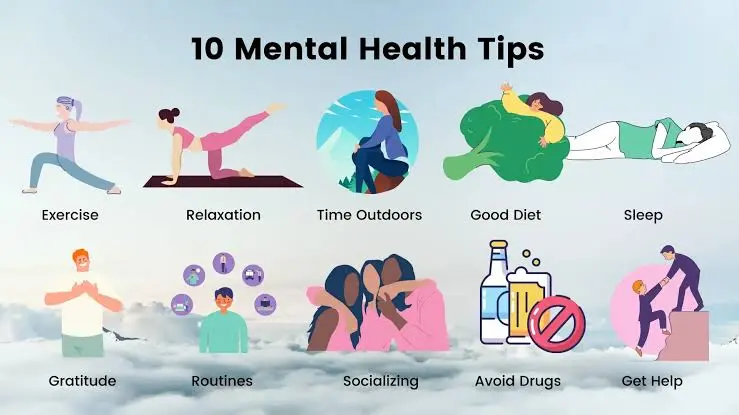
Step 1: Understand Your Emotions
The first step is to become aware of your emotions. Many people ignore their feelings, which leads to emotional buildup and stress. Identifying what you feel and why you feel it helps in managing emotions better.
Spend a few minutes daily reflecting on your thoughts. Writing them in a journal can also help in understanding emotional patterns and triggers.
Step 2: Develop a Healthy Routine
A structured routine plays a key role in maintaining mental stability. Waking up and sleeping at consistent times helps regulate mood and energy levels. A balanced routine reduces confusion and improves productivity.
Include time for work, rest, exercise, and hobbies. Avoid overloading your day, as burnout can negatively impact mental health.
Step 3: Practice Stress Management
Stress is one of the biggest threats to mental health. Learning how to manage stress is essential for emotional balance. Techniques like deep breathing, meditation, and mindfulness can significantly reduce stress levels.
Even simple activities such as walking in nature or listening to calm music can help relax the mind and improve focus.
Step 4: Build Strong Relationships
Healthy relationships provide emotional support and reduce feelings of loneliness. Talking to friends, family, or trusted individuals helps release emotional pressure.
Avoid toxic relationships that drain your energy. Surround yourself with positive and supportive people who encourage your growth.
Step 5: Take Care of Physical Health
Mental and physical health are closely connected. Regular exercise improves mood by releasing endorphins, which are natural stress relievers. Eating healthy food also supports brain function.
Avoid excessive caffeine, junk food, and lack of sleep, as these can negatively affect mental wellbeing.
Benefits of Mental Health
- Improves emotional stability and mood control
- Enhances decision-making and problem-solving skills
- Reduces stress, anxiety, and depression risks
- Strengthens relationships and social connections
- Increases productivity and focus in daily tasks
- Improves physical health and energy levels
- Builds self-confidence and self-awareness
- Supports better sleep and relaxation
Disadvantages / Risks of Poor Mental Health
- Increased stress and emotional instability
- Difficulty in concentrating and making decisions
- Weak relationships and social isolation
- Low productivity and motivation
- Higher risk of anxiety and depression
- Physical health problems such as fatigue and headaches
- Negative thinking patterns and low self-esteem
- Poor lifestyle habits and unhealthy coping mechanisms
Common Mistakes to Avoid
One of the most common mistakes is ignoring mental health problems and hoping they will go away on their own. Many people also avoid talking about their emotions due to fear of judgment. This leads to emotional buildup and worsening conditions over time.
Another mistake is relying on unhealthy coping methods such as overthinking, substance use, or isolation. Instead of solving problems, these habits increase stress and make recovery harder. Seeking help early and practicing healthy habits is essential for long-term wellbeing.
FAQs
1. What are early signs of poor mental health?
Early signs include constant stress, mood swings, lack of motivation, difficulty sleeping, and loss of interest in activities. These symptoms should not be ignored, as early action can prevent serious issues.
2. Can mental health improve naturally?
Yes, mental health can improve with healthy lifestyle changes such as regular exercise, balanced diet, proper sleep, and positive thinking. However, professional help may be needed in severe cases.
3. How does stress affect mental health?
Stress affects the brain’s ability to function properly, leading to anxiety, irritability, and poor decision-making. Long-term stress can also cause depression and physical health problems.
4. Is mental health the same as mental illness?
No, mental health refers to overall emotional wellbeing, while mental illness refers to specific psychological conditions that require treatment. A person can have poor mental health without having a mental illness.
5. How can I improve mental health quickly?
Quick improvements can be made by practicing deep breathing, taking breaks, talking to someone, reducing screen time, and getting enough sleep.
6. When should someone seek professional help?
Professional help should be sought when symptoms persist for a long time, interfere with daily life, or cause severe emotional distress such as anxiety or depression.
Expert Tips & Bonus Points
One of the most effective tips is to practice mindfulness daily, even for a few minutes. It helps in reducing overthinking and increasing focus. Another important tip is to maintain a gratitude habit, where you write down things you are thankful for each day. This improves positive thinking.
Limiting social media usage is also helpful, as excessive comparison can negatively impact self-esteem. Additionally, setting realistic goals and breaking them into small steps reduces pressure and increases motivation. Consistency in self-care practices is more important than perfection, and small daily improvements lead to long-term mental wellbeing.
Conclusion
Mental health is a fundamental part of living a balanced and fulfilling life. It affects how we think, feel, and interact with the world around us. Understanding mental health helps individuals take better control of their emotions and make healthier life choices. In today’s stressful environment, taking care of mental wellbeing is not optional but necessary for long-term happiness and success.
By following simple practices such as maintaining a routine, managing stress, building strong relationships, and taking care of physical health, anyone can improve their mental wellbeing. Small daily efforts can create a big difference over time. Mental health should always be treated with importance, just like physical health, because both are deeply connected. A healthy mind leads to a healthy and successful life.